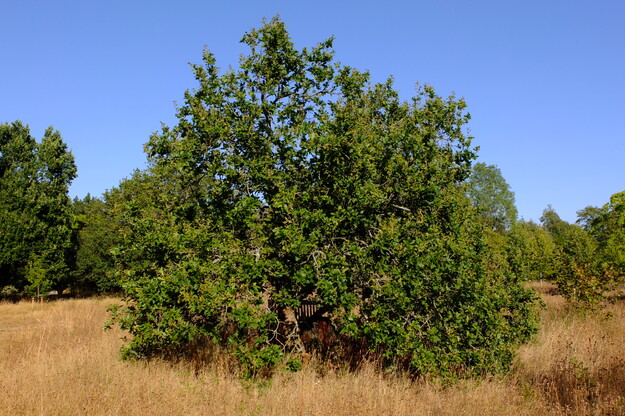
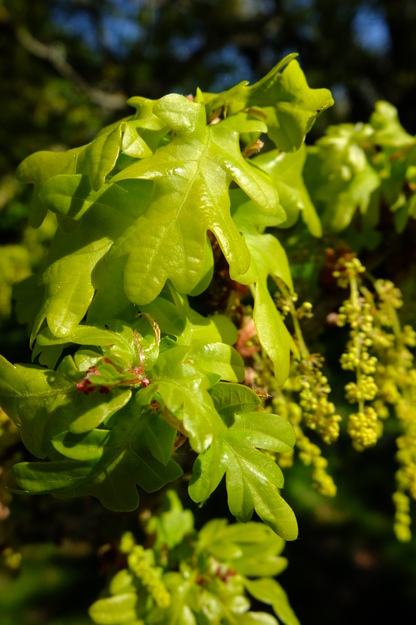
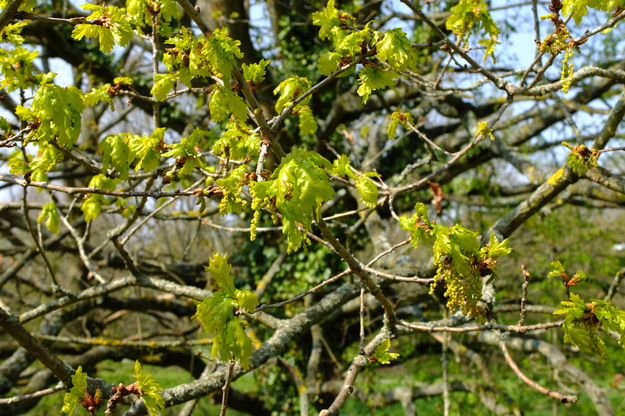
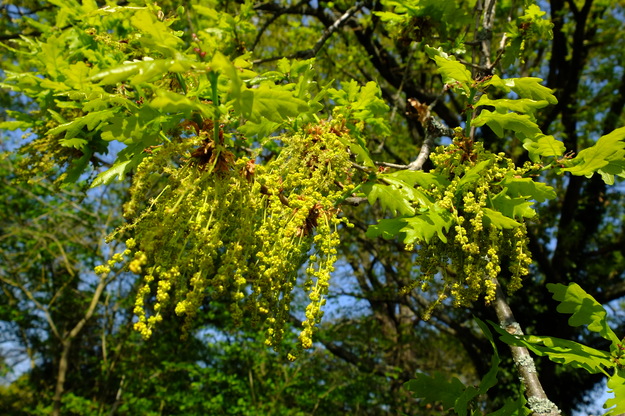
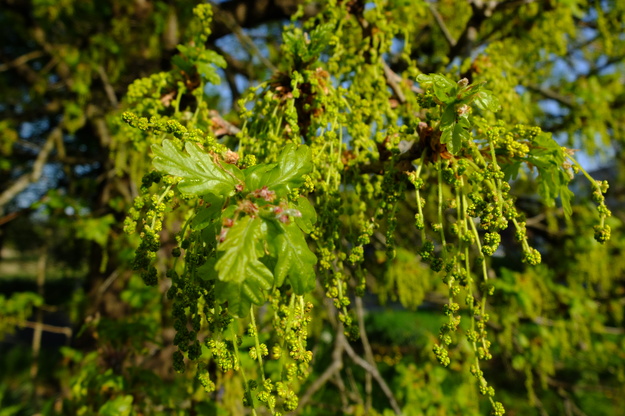
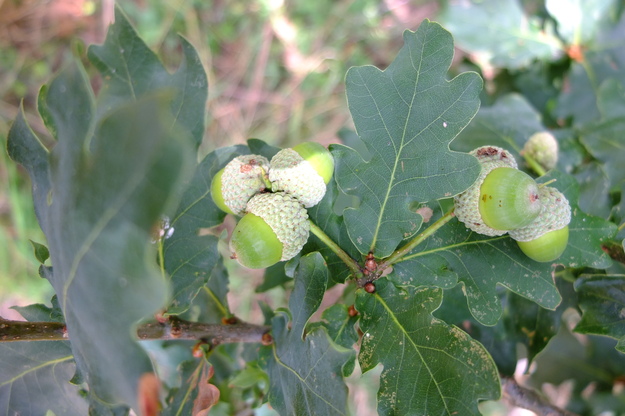
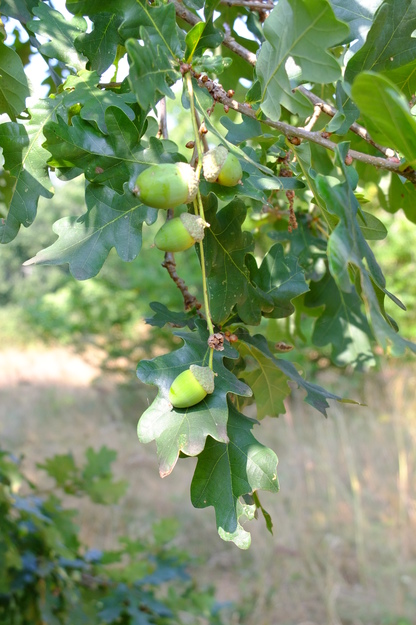
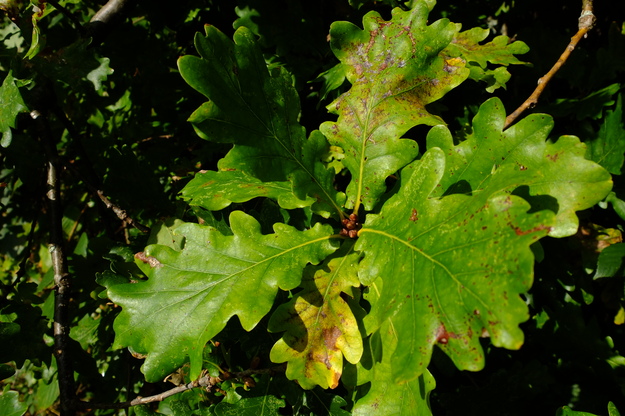
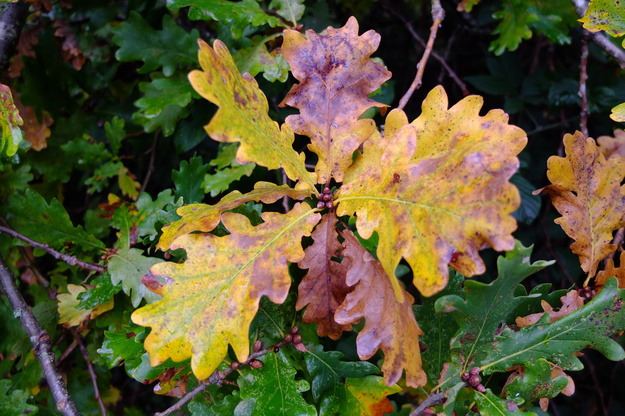
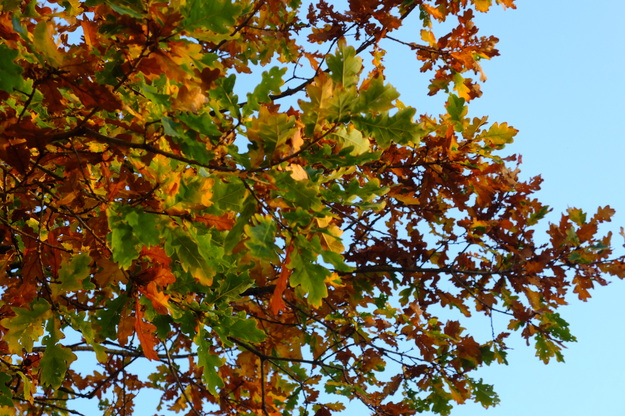
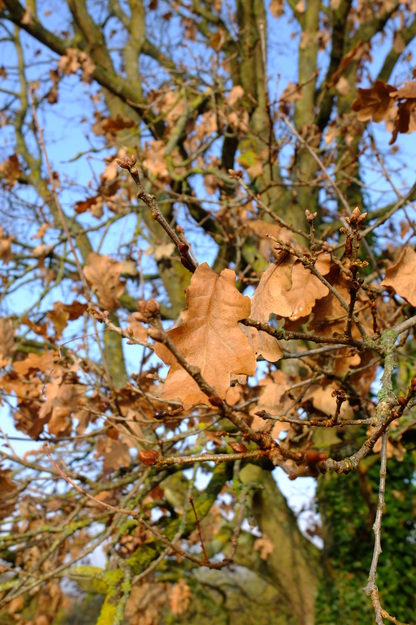
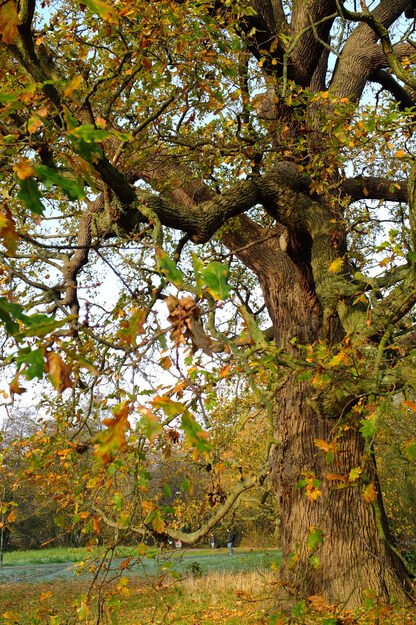
Quercus robur is a species of deciduous broadleaf flowering plants (in the Fagaceae or Beech family), native to Britain, Europe and northern Iran. This is a large tree, which grows to 20–40 metres tall and has thick branches that form a widely spreading and open canopy. When it grows in open spaces its breadth can exceed its height. It can live for many centuries, with some individuals more than 1000 years old, such as King Offa's oak.
Quercus robur is found throughout European woodlands. It is the dominant species of tree in English woods and open landscapes, excluding forestry plantations, and a key species in forest ecosystems. There are many mature Quercus robur around Whiteknights Park, and rows of younger ones planted along both sides of Queen's Drive by SportsPark; reflecting its prevalence and my preference, it is the species with most examples in the virtual arboretum. The closely related Quercus petraea (also present in Whiteknights Park) is the only other native Quercus (oak) species, and also widespread in Britain, but less numerous in southern England, because Quercus robur does better in heavy and moist soils. Both species fit the role of "the oak" as a symbol of strength and longevity in British tradition.
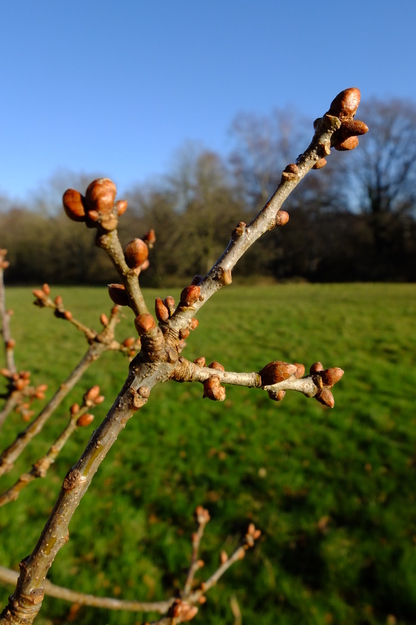
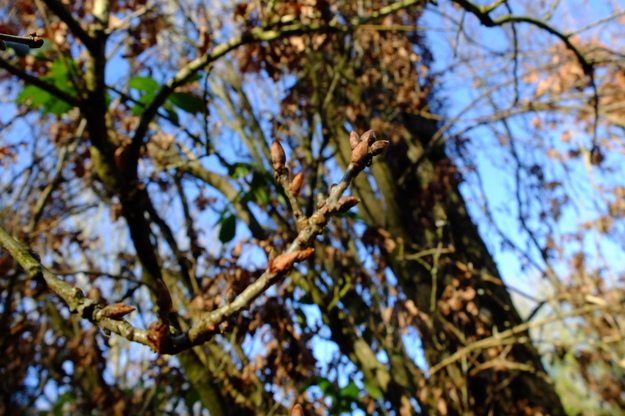
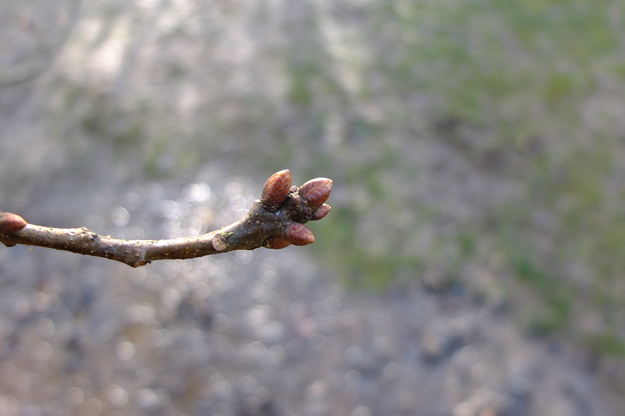
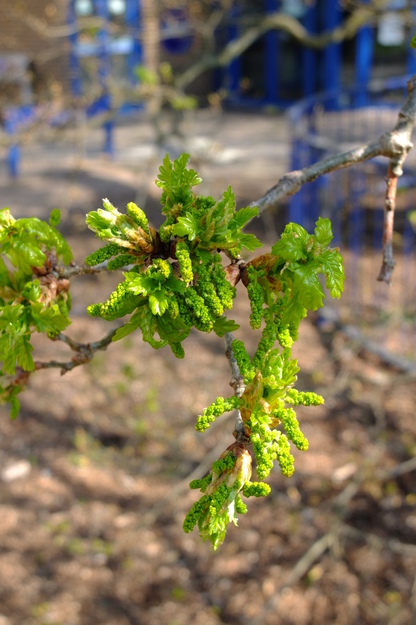
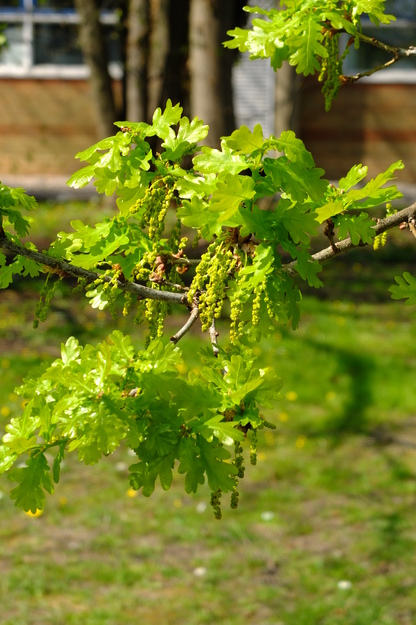
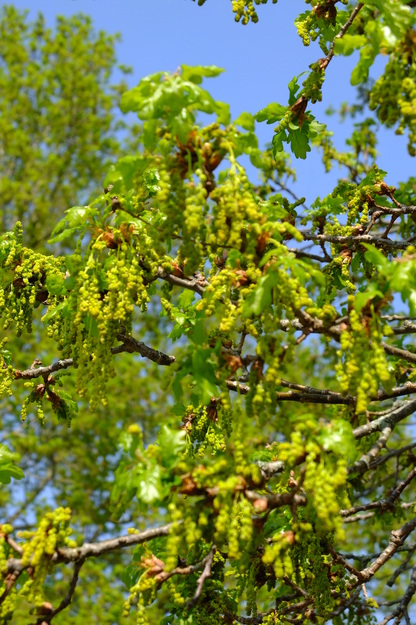
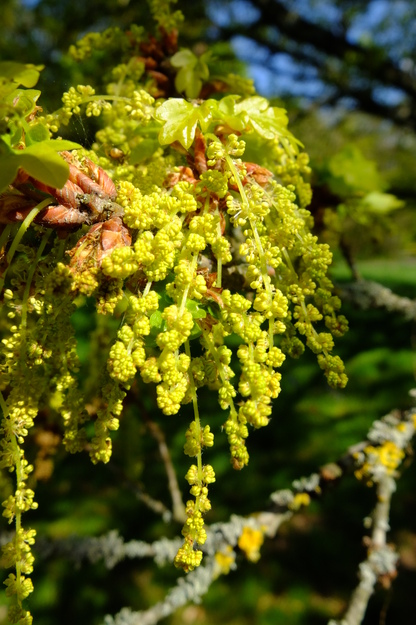
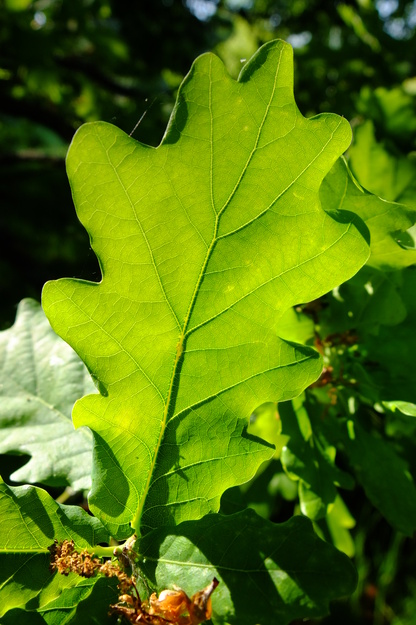
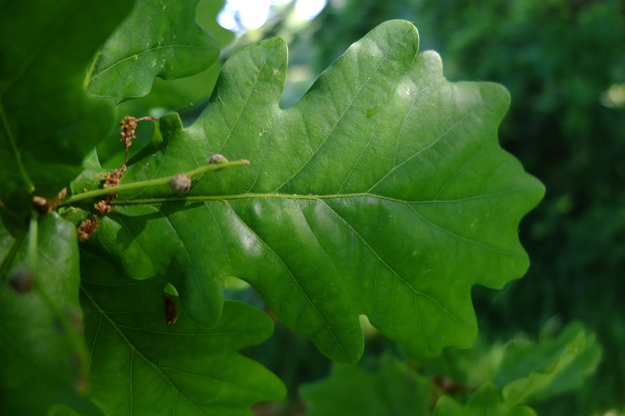
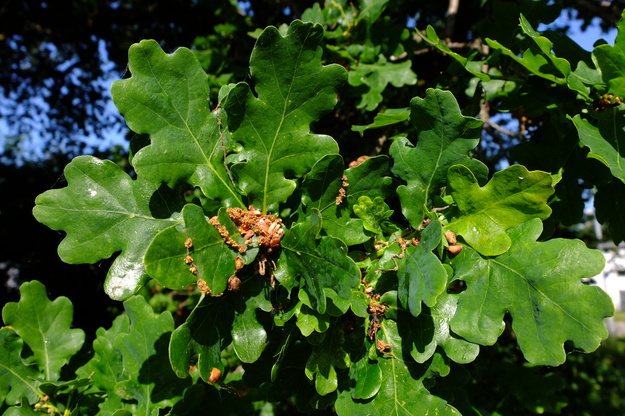
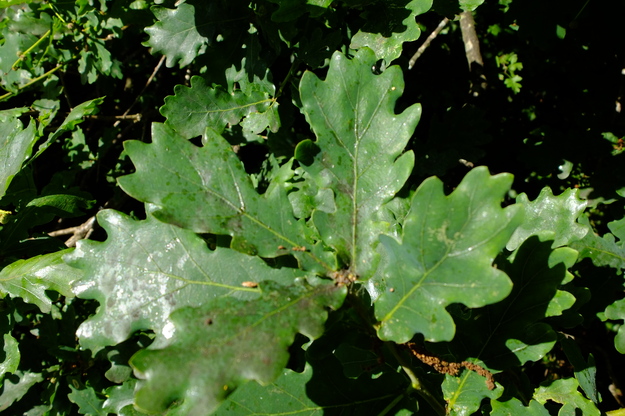
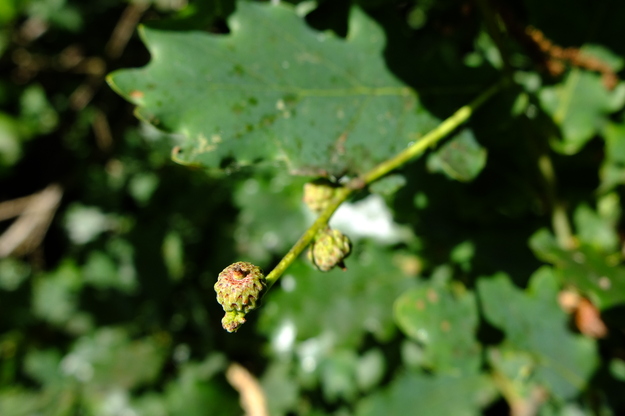
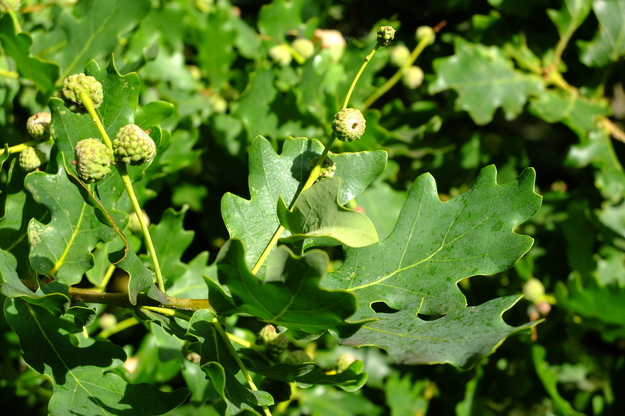
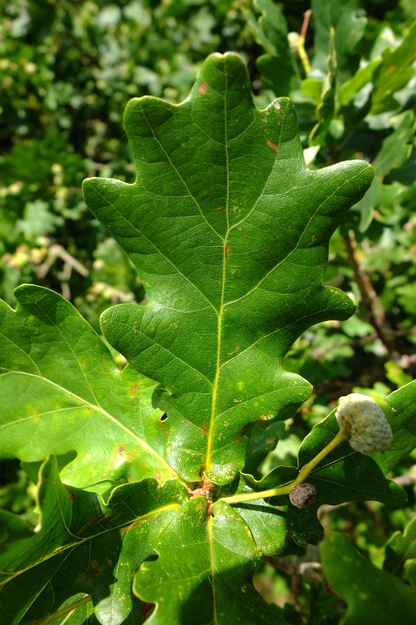
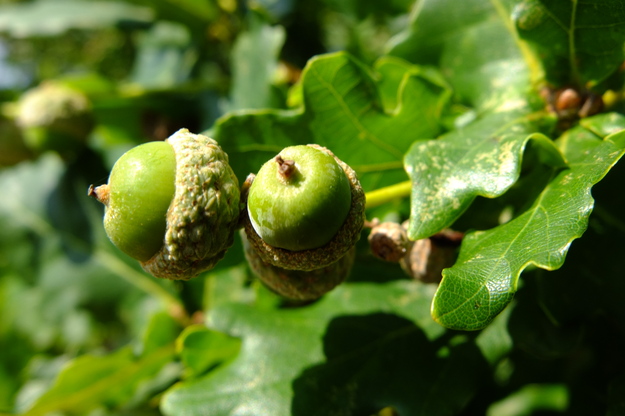
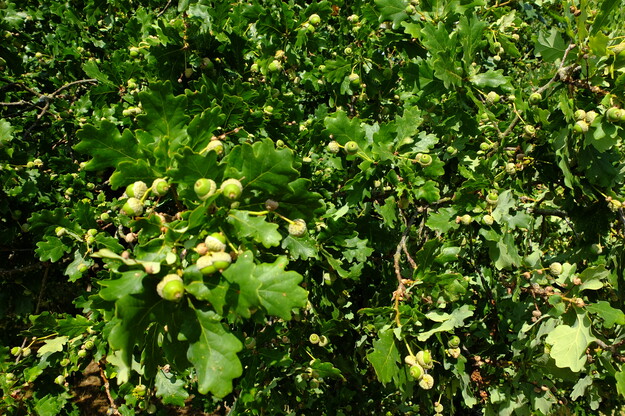
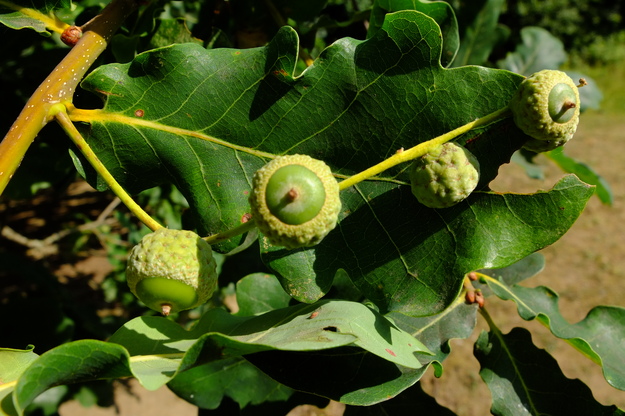
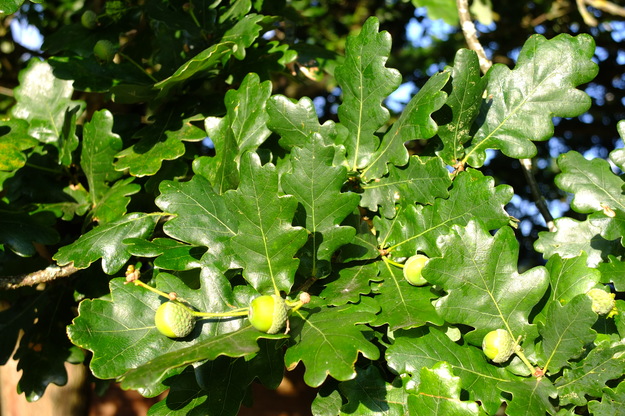
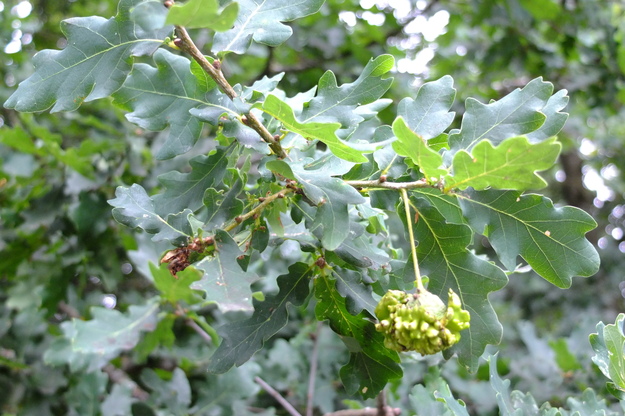
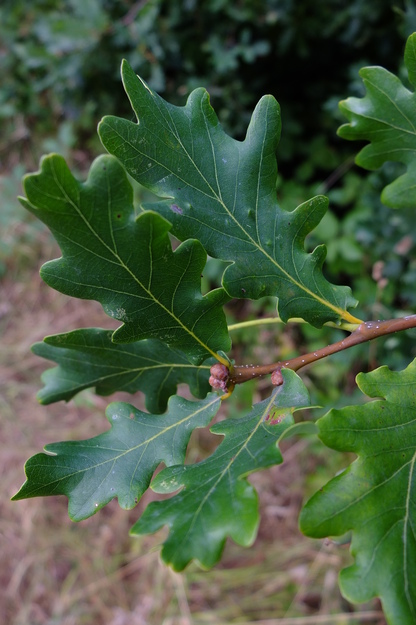
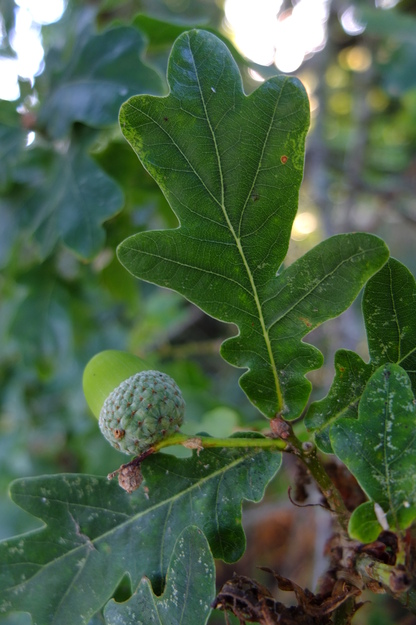
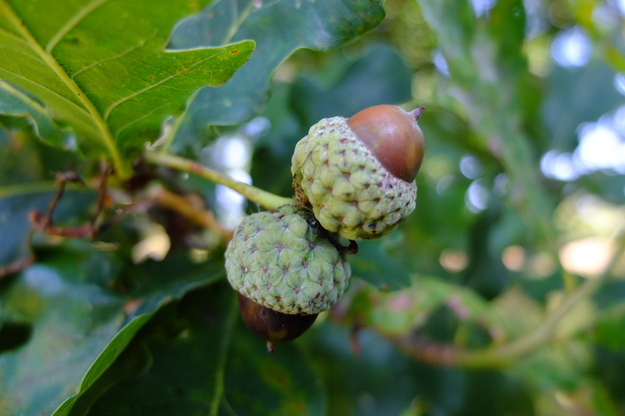
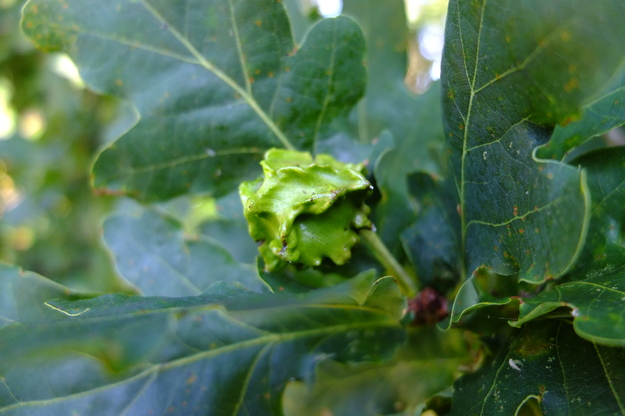
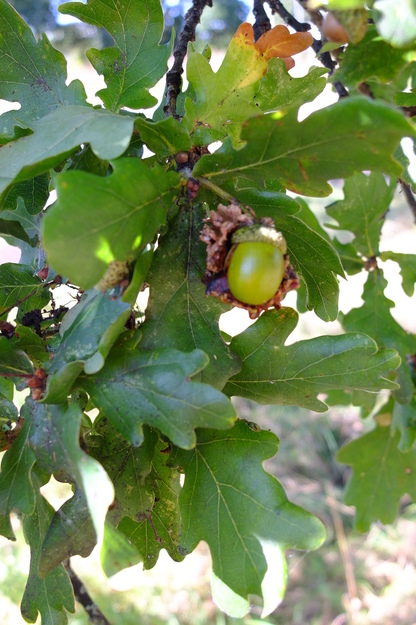
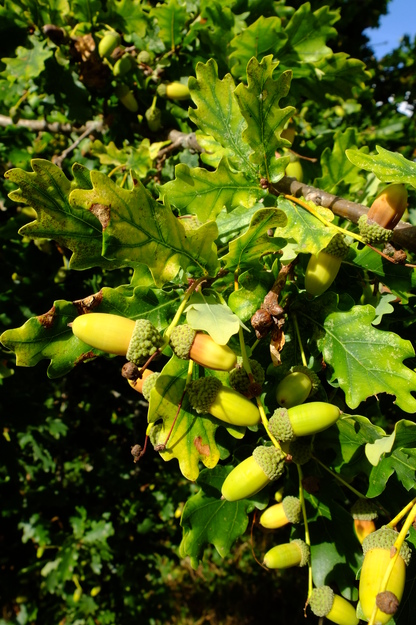
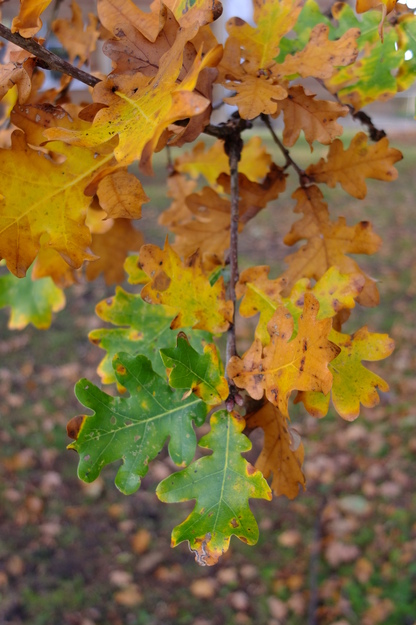
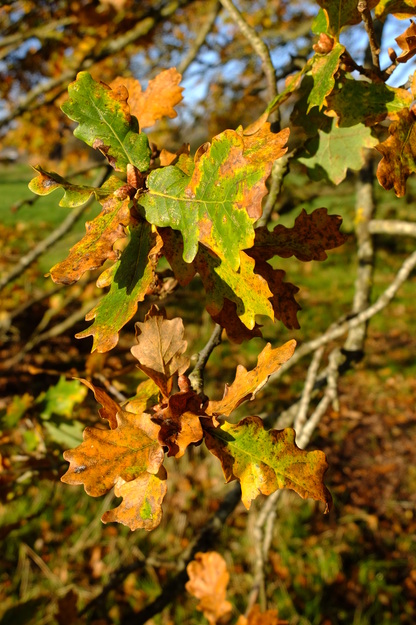
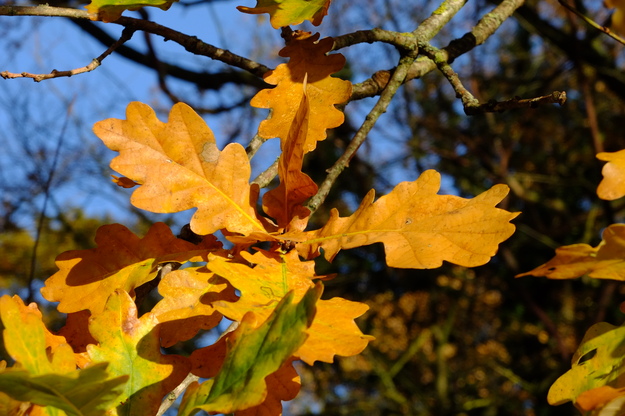
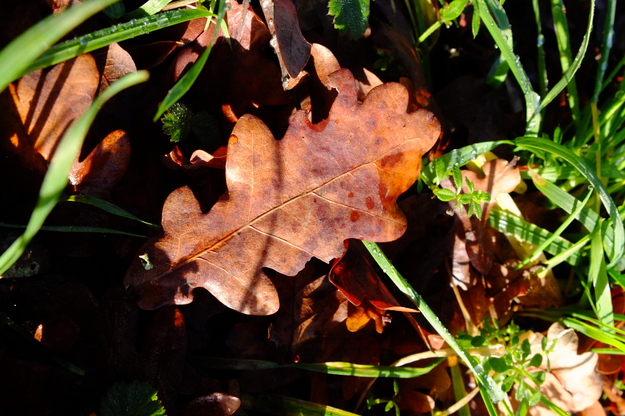
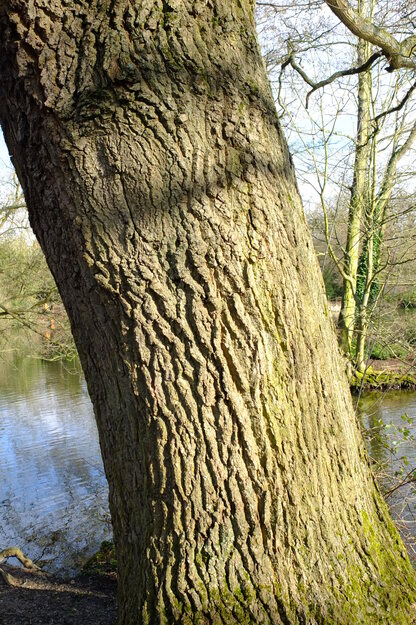
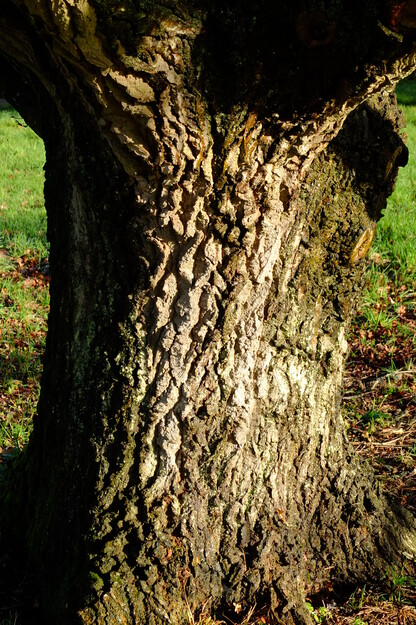
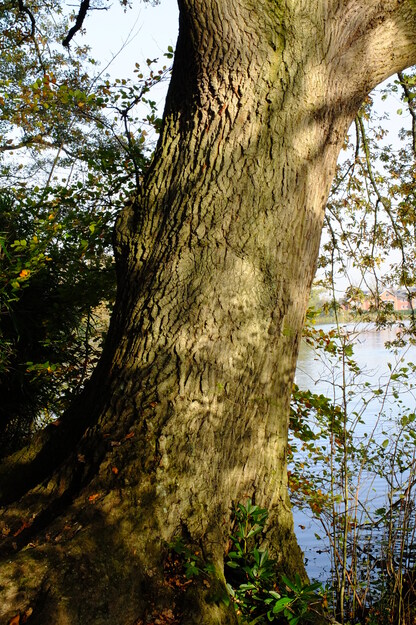
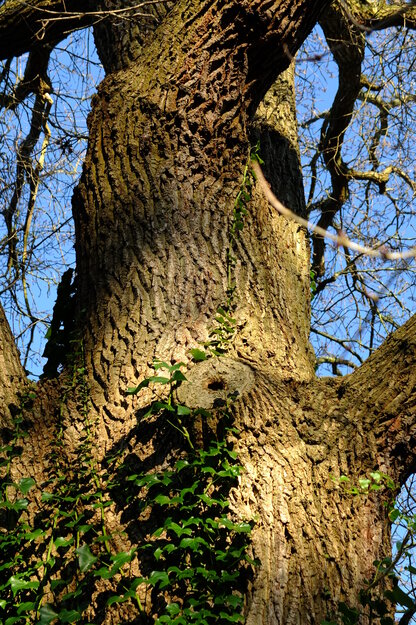
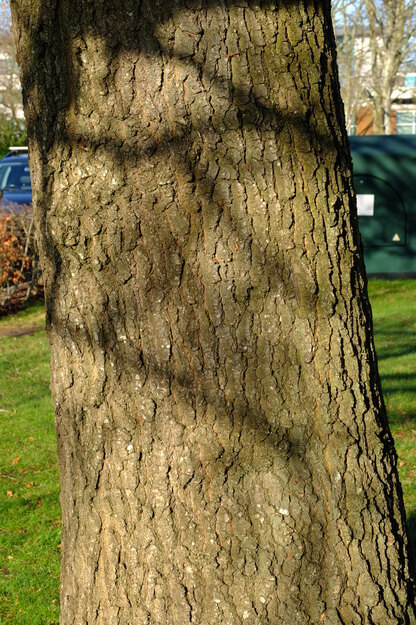
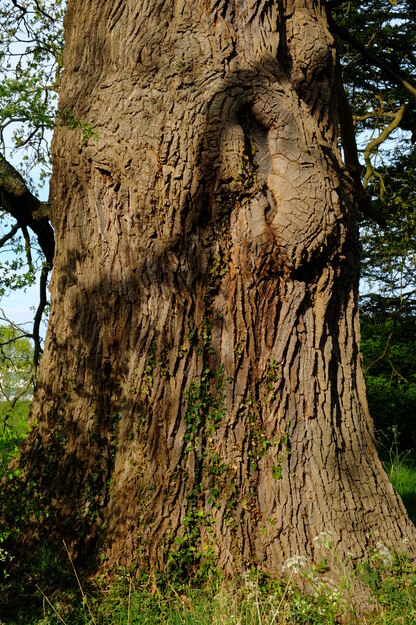
The bark of mature Quercus robur is grey-brown with many closely spaced predominantly vertical grooves and ridges. The tree bears brown buds in winter, which open comparatively late in spring. Short green catkins emerge first, in early April, and leaves afterwards. The leaves are of medium size, with three to six rounded smooth-edged lobes on each side and and one at the end, the lobes not being deeply separated, and often not symmetrically arranged. The acorns (the fruit of the oak) occur in clusters of two or three, each in a cup; they are initially green and become brown. The leaves turn golden brown in autumn before falling. It is quite common to see deformed walnut-like acorns and cups; these are due to parasitisation by tiny wasps, and are called knopper galls.
Quercus robur can be distinguished from Quercus petraea by both its acorns and its leaves (see this comparison, which includes other Quercus species). Quercus robur acorns are "pedunculate" (meaning they are attached to the twigs by stalks, whereas Quercus petraea acorns lack stalks). By contrast, Quercus robur leaves have only very short stalks, being closely attached to the twig (unlike Quercus petraea leaves).
The timber of Quercus robur is hard, strong and rot-resistant, and used for structural purposes, flooring, furniture, barrels and boat-building. Historically Quercus robur was important in providing timber for the construction of the British navy, and for sheltering the fugitive King Charles II.
External webpages
about this species


about this species
How to use the map
Drag with your finger or mouse to move the map.
 Zoom in or out. You can also do this with the mousewheel or by pinching.
Marker of the position of an identified tree, while the map is zoomed out. For the details, zoom in until you see tree markers like the following …

 Clicking on a tree marker brings up a window (called a "popup")
identifying the species of the tree there, with a small photo of it and buttons
to display more photos and information. NB only a few hundred of the thousands
of trees are marked!
Clicking on a tree marker brings up a window (called a "popup")
identifying the species of the tree there, with a small photo of it and buttons
to display more photos and information. NB only a few hundred of the thousands
of trees are marked!
7Marker of a tree of the selected species; clicking it will zoom and centre the map on this tree, and bring up a photo of it in the frame.
 Marker of a British Isles champion tree in
The Tree Register.
Marker of a British Isles champion tree in
The Tree Register.
✕ Click the cross at the top right of any window, including this one, to get rid of it.
 ✕
Click to dismiss all the popups at once.
✕
Click to dismiss all the popups at once.
Choose alternative versions of the map. The tree markers, popups, map centre and zoom are all unaffected by switching.
 Turn on a flashing dot which tracks your live location on the map, surrounded
by a circle indicating the accuracy of the location. This will work
only if your device has a satellite navigation (GPS etc.) receiver which is
enabled and can acquire a signal. You will probably be asked to allow the
website to access "location services" the first time you press this button.
The button flashes orange while trying to locate you,
and green while your location is shown. Press it again to turn it off.
Turn on a flashing dot which tracks your live location on the map, surrounded
by a circle indicating the accuracy of the location. This will work
only if your device has a satellite navigation (GPS etc.) receiver which is
enabled and can acquire a signal. You will probably be asked to allow the
website to access "location services" the first time you press this button.
The button flashes orange while trying to locate you,
and green while your location is shown. Press it again to turn it off.
 Recentre the map on your present location, while live location is switched on.
 Reset the map to its original centre and zoom.
To click on a tree, zoom in until you see
tree markers
Nursery meadowSee all photos of this tree
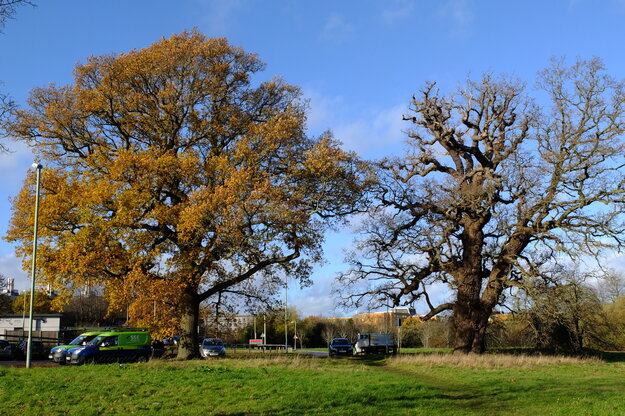
Nursery meadowSee all photos of this tree
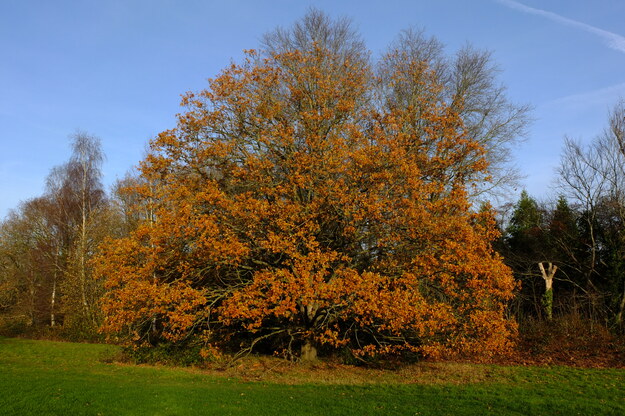
Causeway BridgeSee all photos of this tree
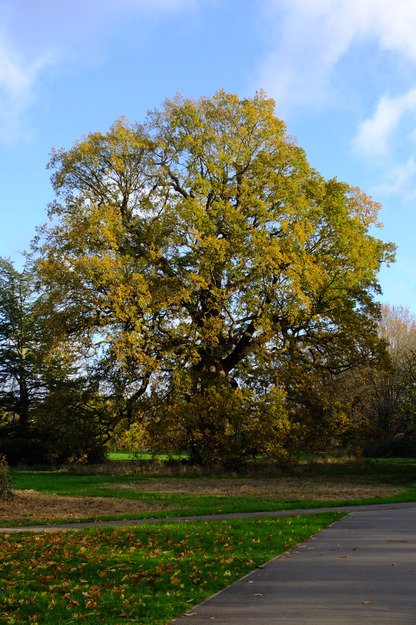
Causeway BridgeSee all photos of this tree
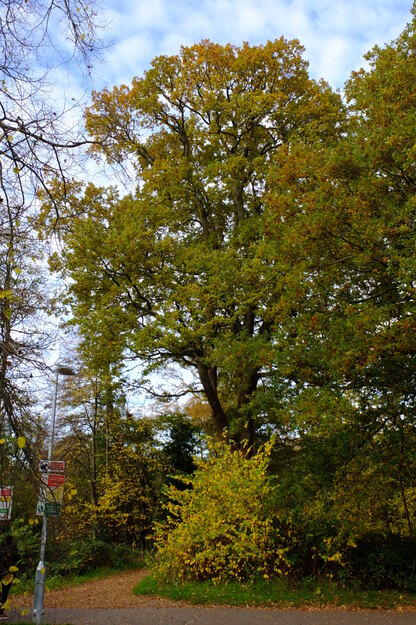
Causeway BridgeSee all photos of this tree
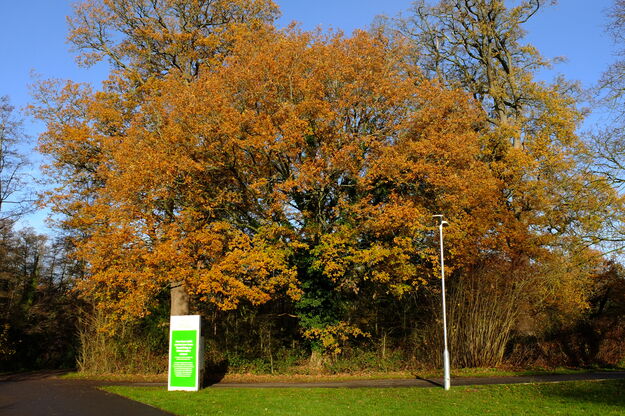
Causeway BridgeSee all photos of this tree
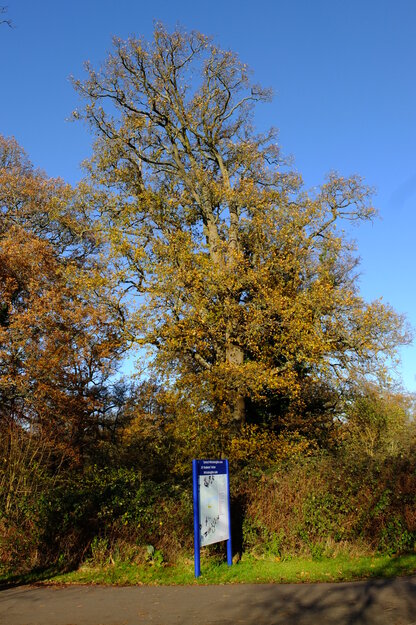
Knight HillSee all photos of this tree
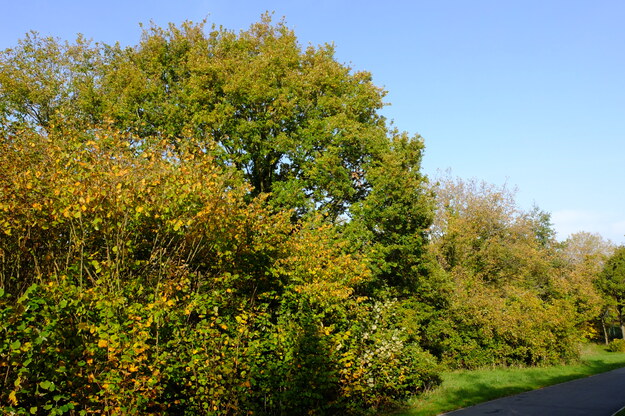
EstatesSee all photos of this tree
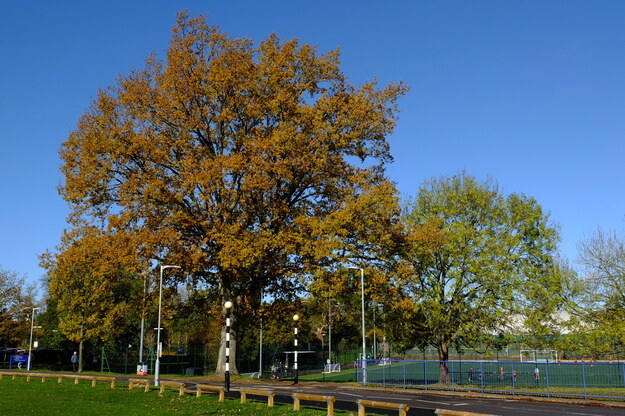
Queen's DriveSee all photos of this tree
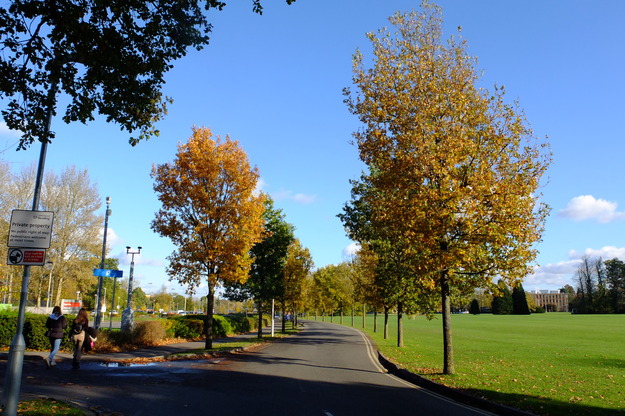
Palmer QuadSee all photos of this tree
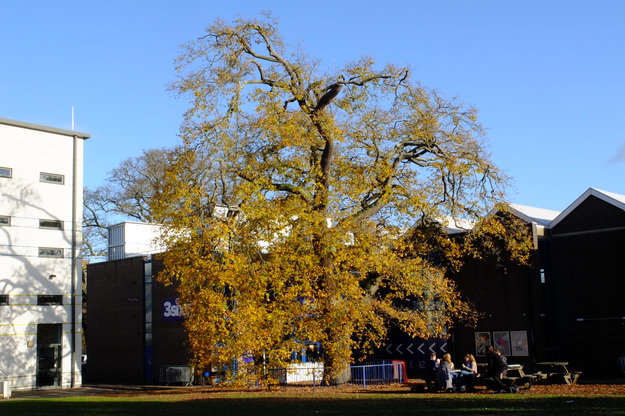
Nursery EastSee all photos of this tree
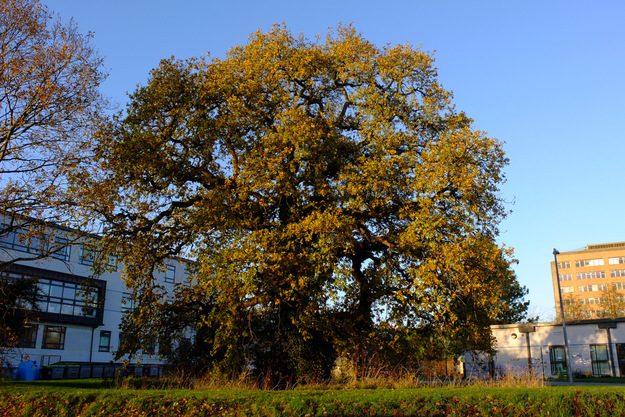
Nursery EastSee all photos of this tree
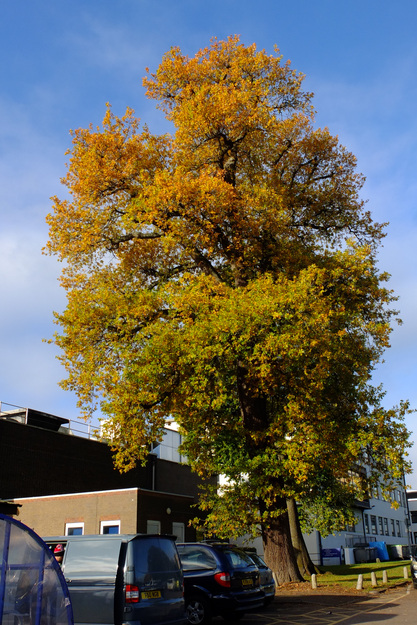
Knight NurserySee all photos of this tree
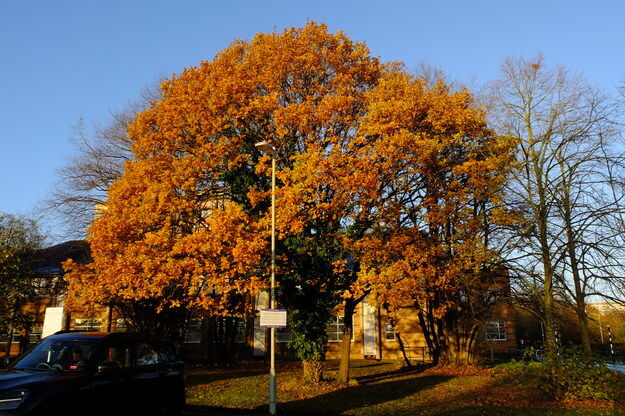
West lakesideSee all photos of this tree
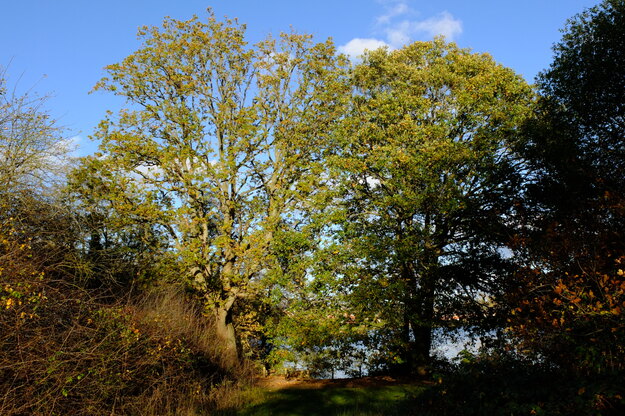
North lakesideSee all photos of this tree
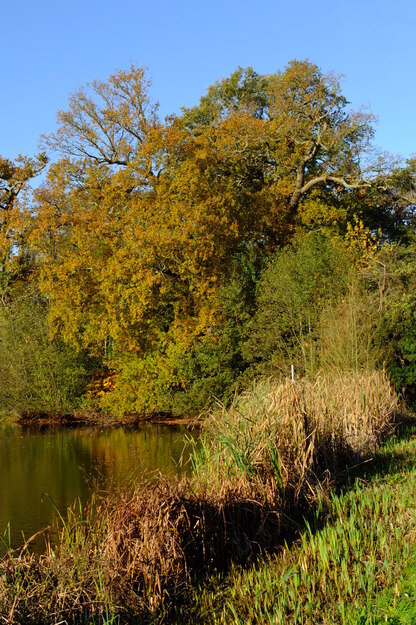
East lakesideSee all photos of this tree
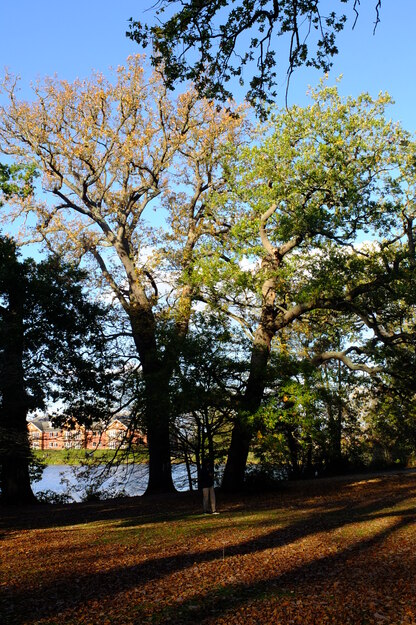
East lakesideSee all photos of this tree
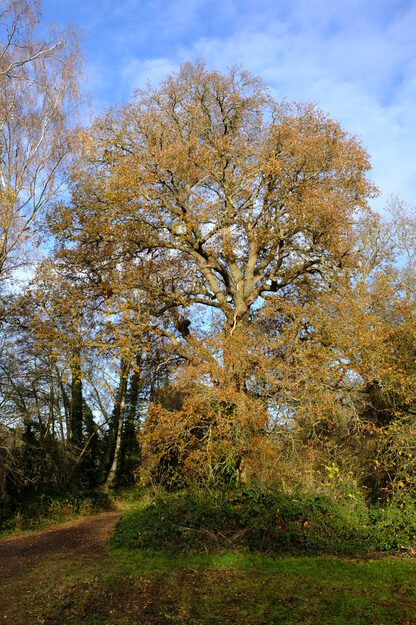
East RoadSee all photos of this tree
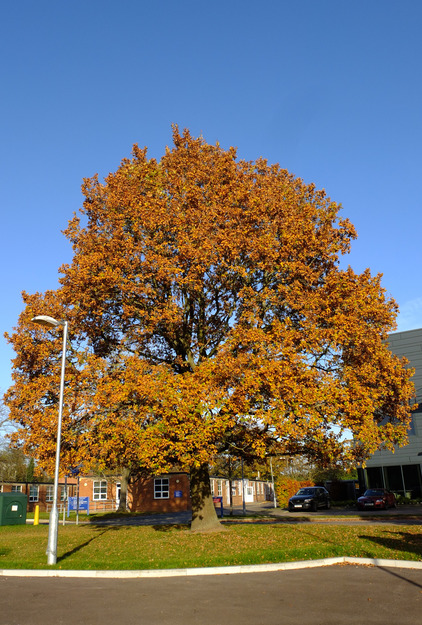
Harris GardenSee all photos of this tree
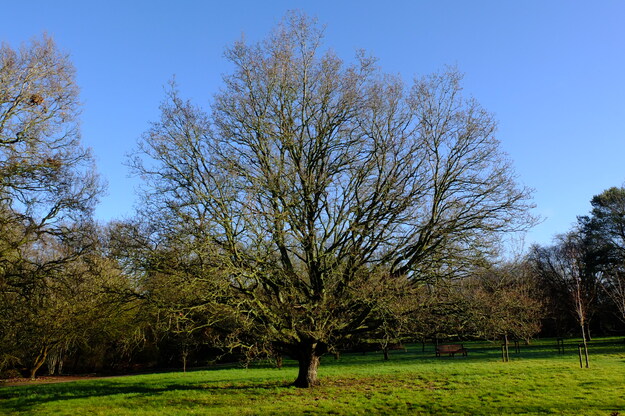
Sports courts
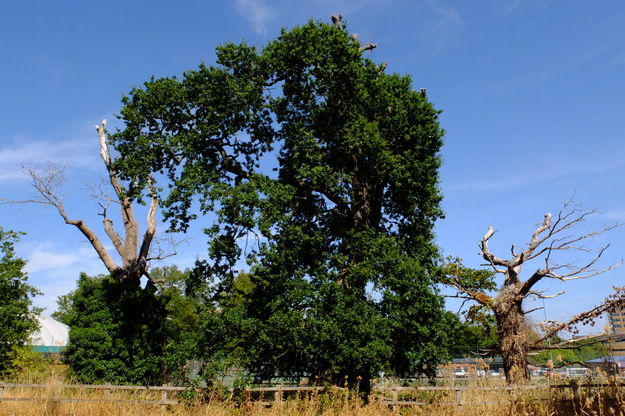
Sports courts
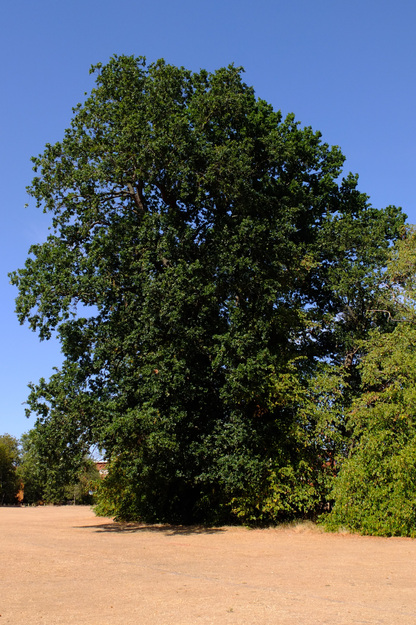
Harris Garden