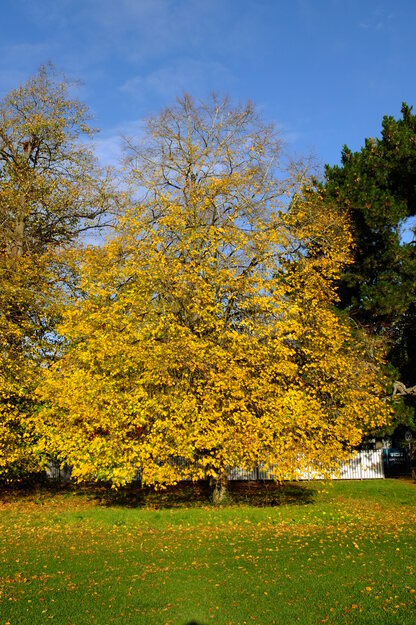
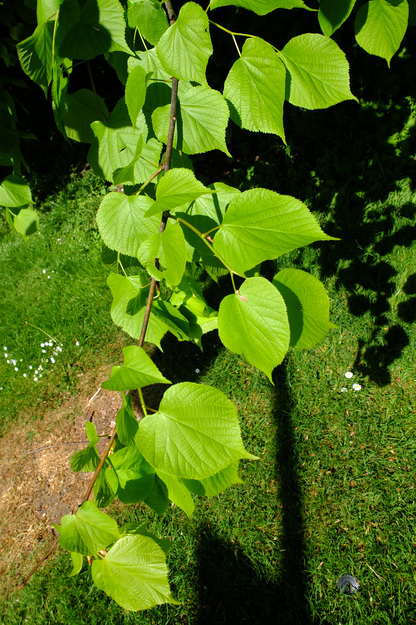
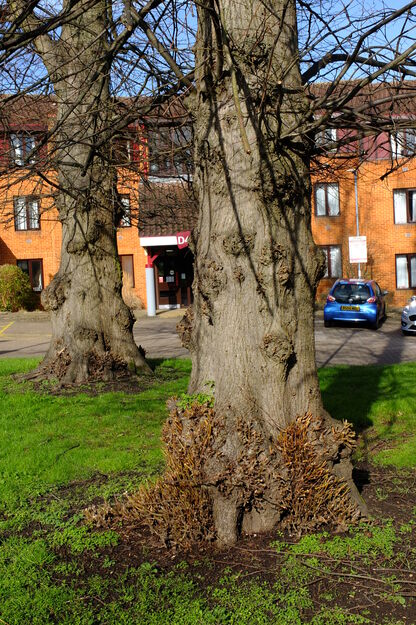
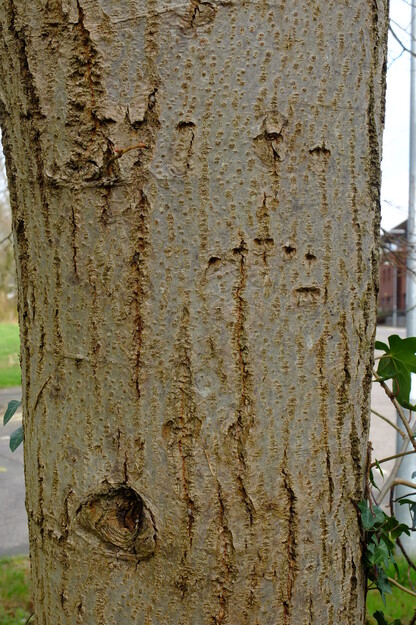
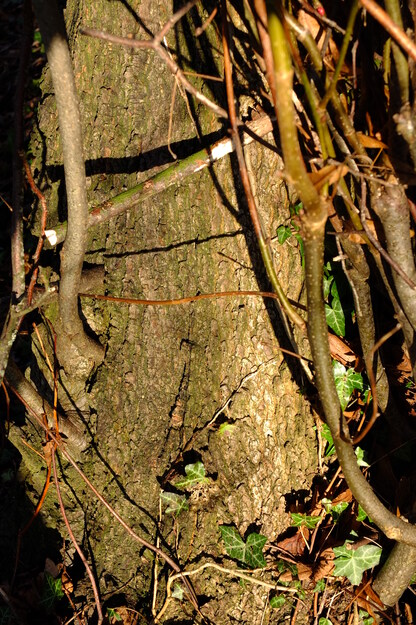
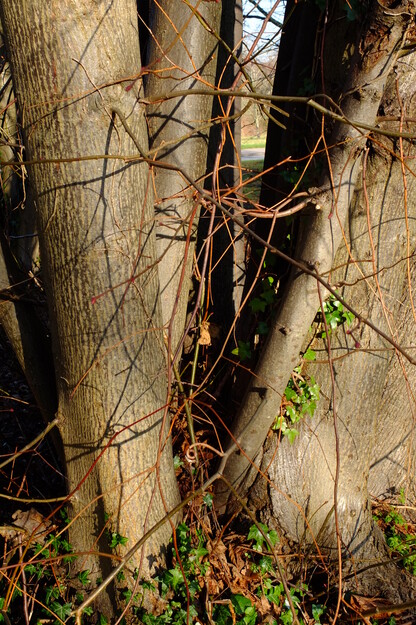
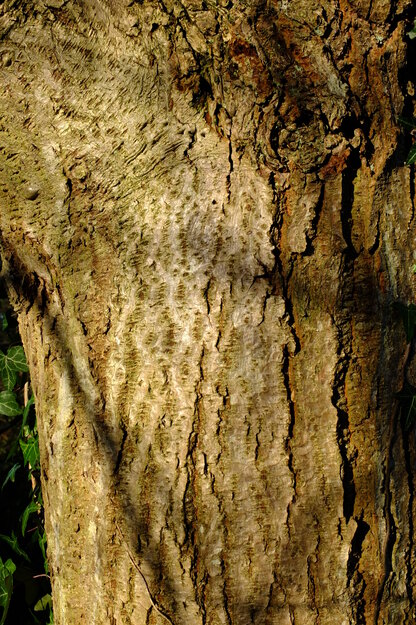
Tilia × europaea is a species of deciduous broadleaf flowering plants (in the Malvaceae or Mallow family), native to Britain and Europe. It is a vigorous tree, which can reach 50 metres, often with large rounded lumps (burrs) and many sprouts surrounding the base of the trunk. The species is a natural hybrid arising in European woodlands where both the parent species occur, namely Tilia cordata and Tilia platyphyllos, which are the other two native Tilia (lime or linden) species (also present in Whiteknights Park).
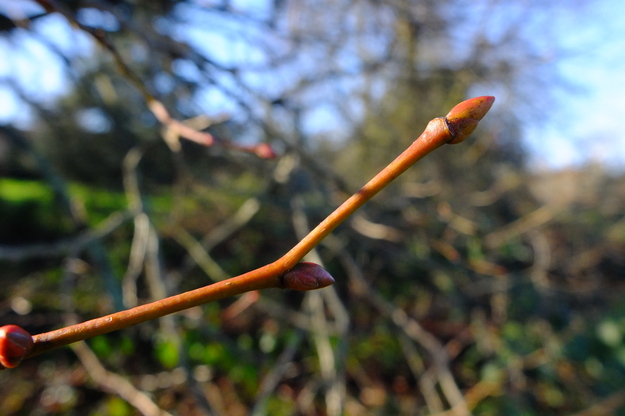
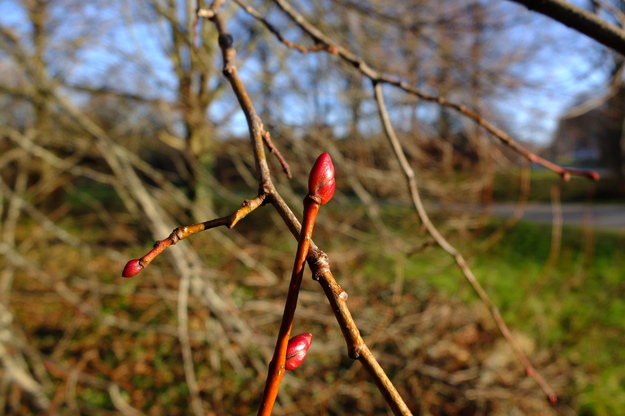
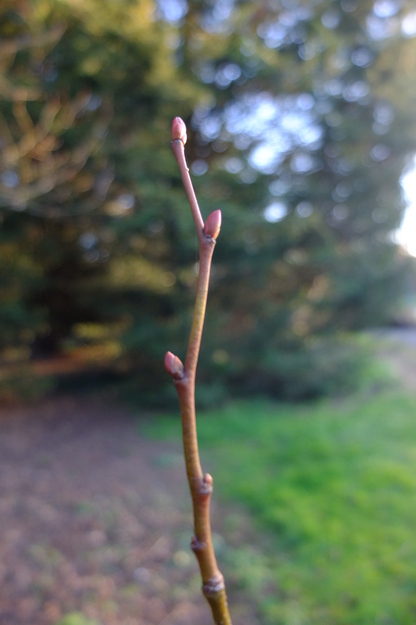
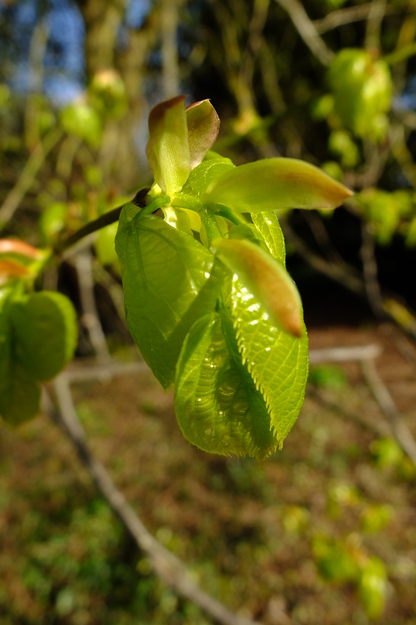
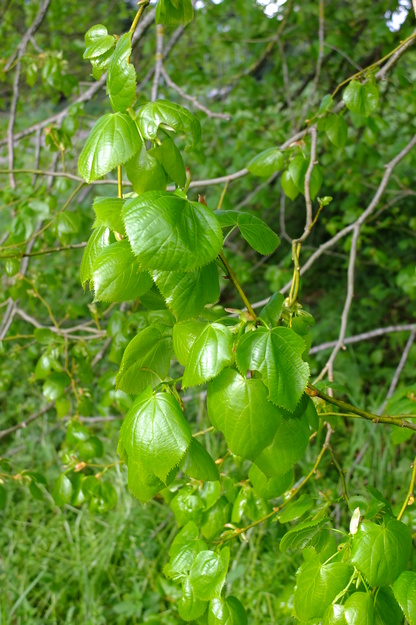
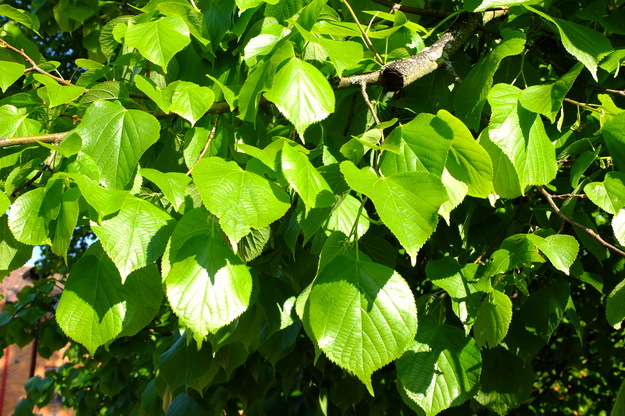
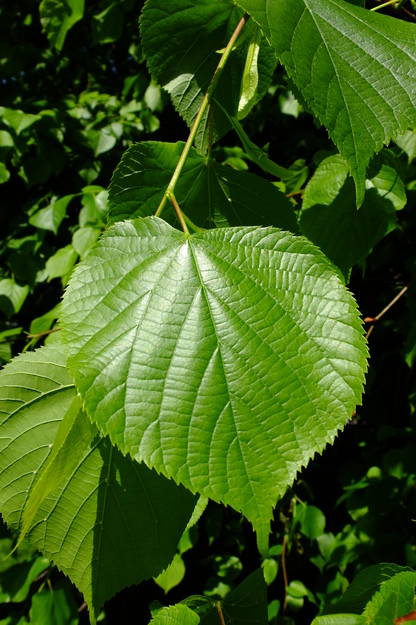
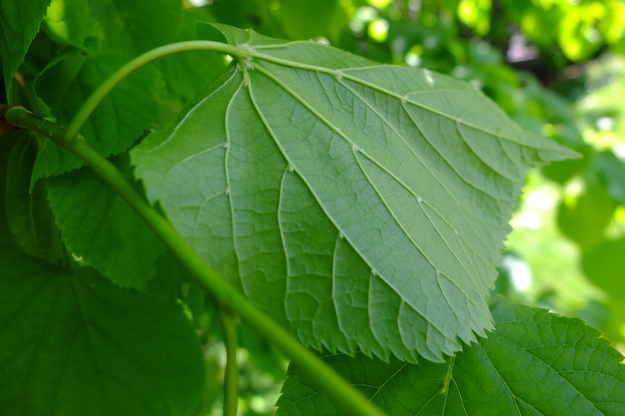
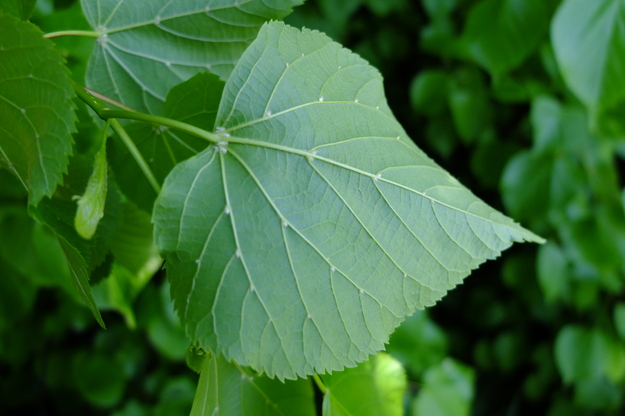
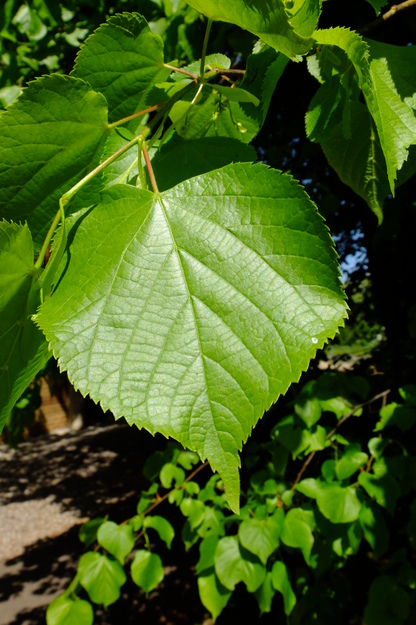
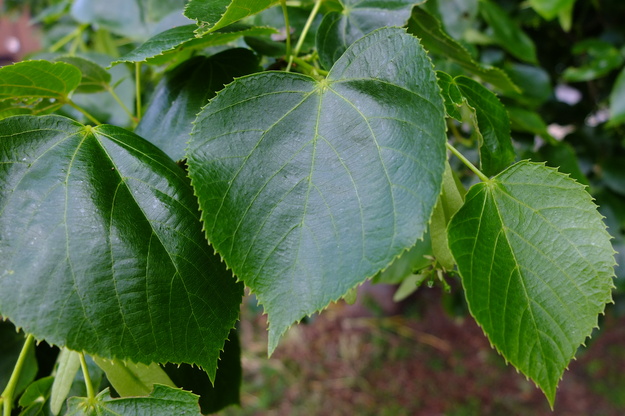
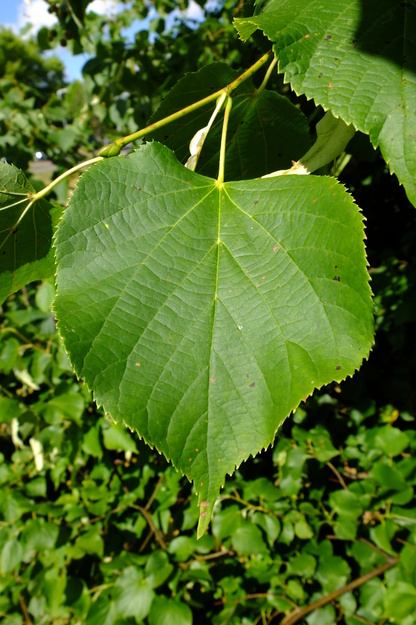
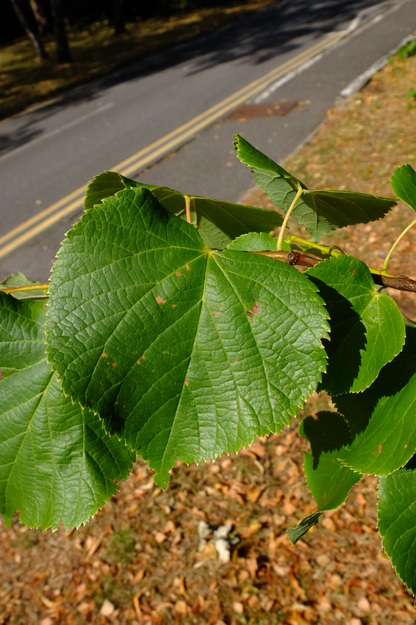
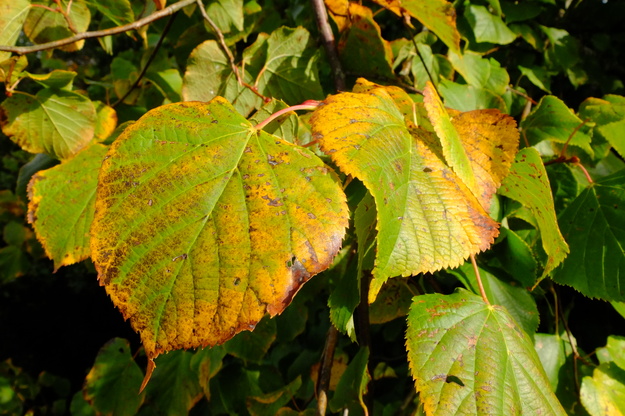
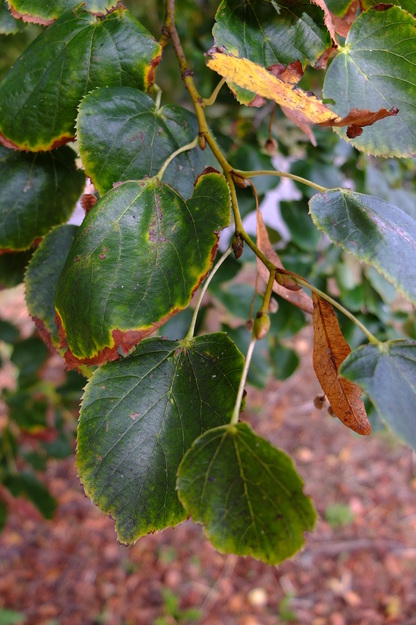
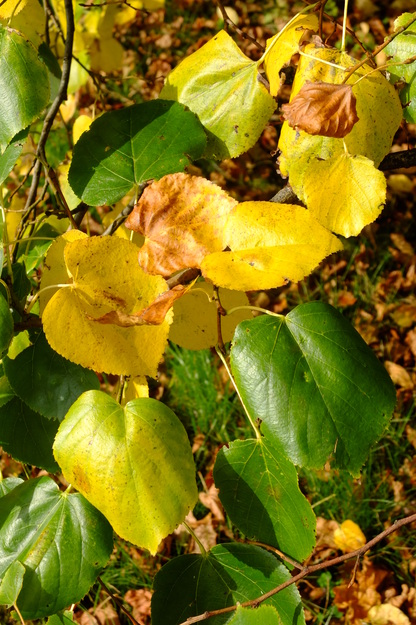
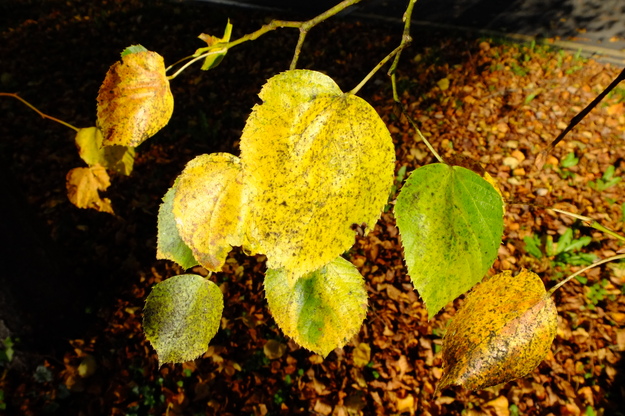
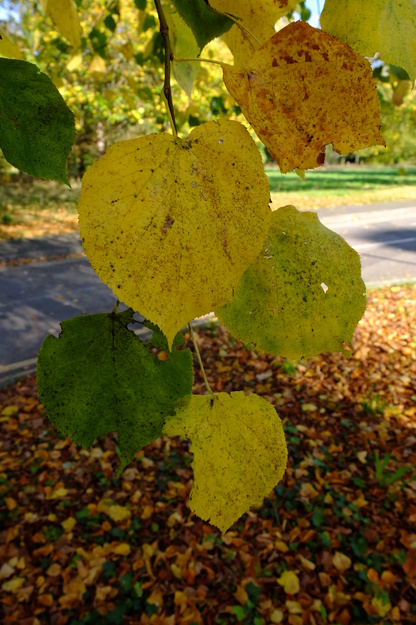
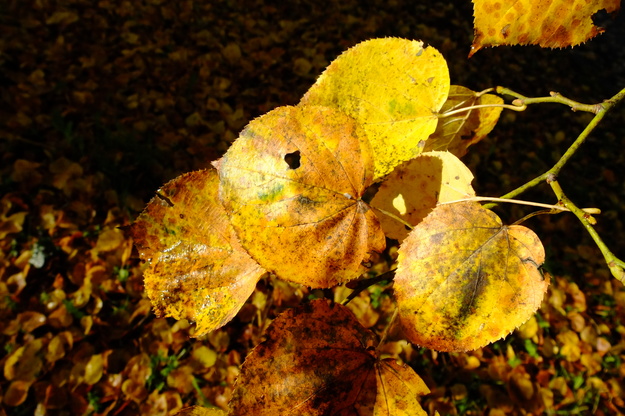
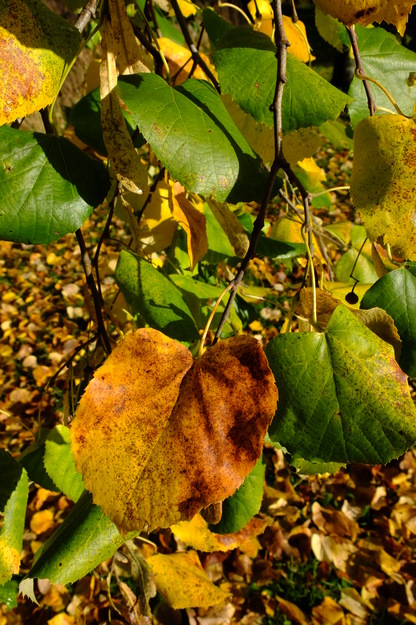
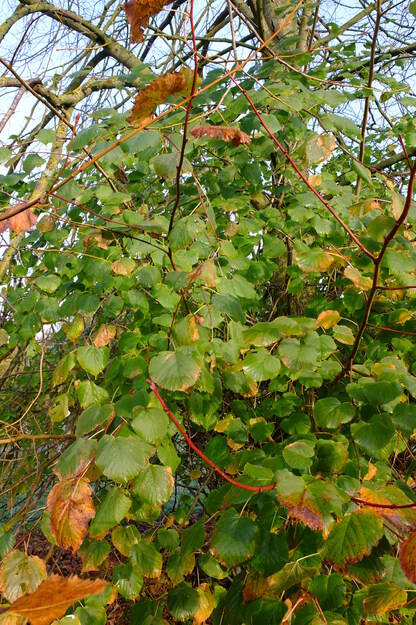
Tilia × europaea has red buds in winter. Its large heart-shaped finely toothed leaves are mid-green above and paler below, sometimes appearing a bit glossy. Tilia × europaea can be distinguished from the other two native species by the the smoothness of its leaves, which seem comparatively flimsy, and are hairless on the underside, except for small patches near the major veins, where the hairs are white or lighter brown than in the other species.
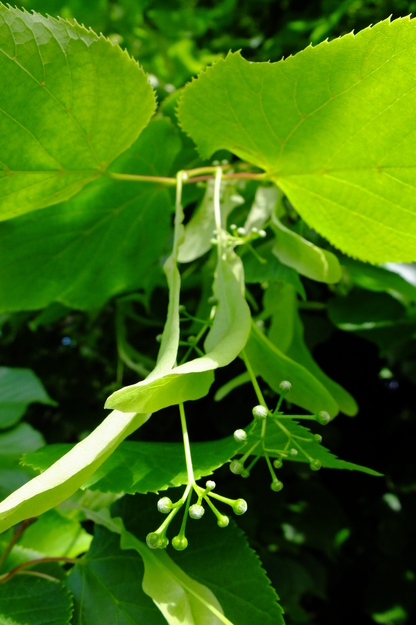
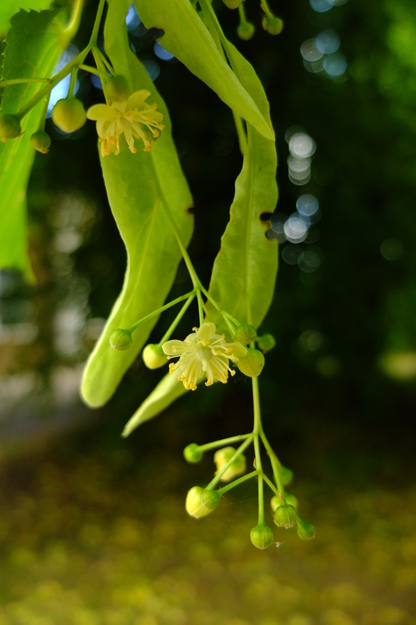
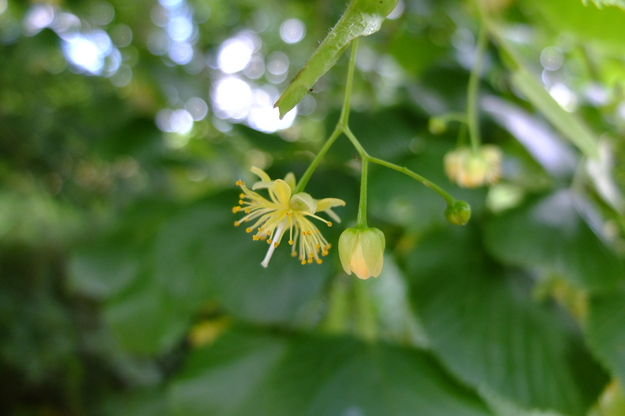
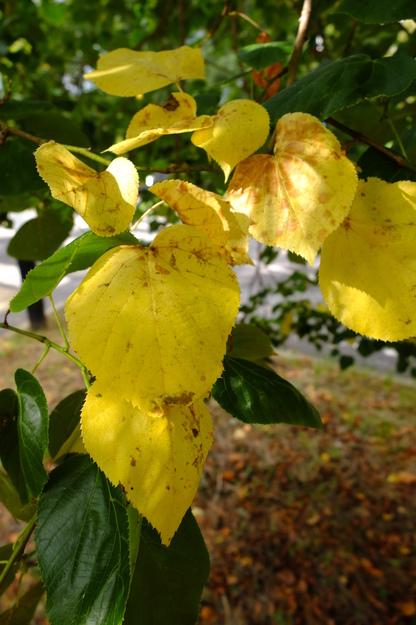
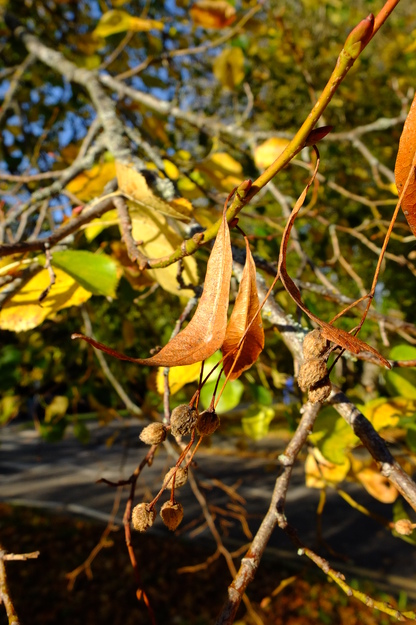
In late June and early July, Tilia × europaea bears small light yellow-green fragrant flowers in bunches of about seven, hanging below the leaves. As in all Tilia species, the flowers are accompanied by long ribbon-shaped leaves (bracts), which become noticeable in summer because they turn yellow earlier than the other leaves; nonetheless, they persist on the tree into autumn, along with the clusters of small round dry fruit.
Tilia × europaea is rarely found in the wild in this country, but has frequently been planted here and across Europe as an ornamental tree along streets (for example Shinfield Road on the western boundary of Whiteknights Park), thanks to its dense shade, rapid growth and tolerance of pollution and poor soils. It also features in parks and in historic lime avenues lining the grand entrances to stately homes. Unfortunately, it a particular favourite of aphids and their predators, resulting in sticky messy deposits underneath the trees.
External webpages
about this species


about this species
How to use the map
Drag with your finger or mouse to move the map.
 Zoom in or out. You can also do this with the mousewheel or by pinching.
Marker of the position of an identified tree, while the map is zoomed out. For the details, zoom in until you see tree markers like the following …

 Clicking on a tree marker brings up a window (called a "popup")
identifying the species of the tree there, with a small photo of it and buttons
to display more photos and information. NB only a few hundred of the thousands
of trees are marked!
Clicking on a tree marker brings up a window (called a "popup")
identifying the species of the tree there, with a small photo of it and buttons
to display more photos and information. NB only a few hundred of the thousands
of trees are marked!
7Marker of a tree of the selected species; clicking it will zoom and centre the map on this tree, and bring up a photo of it in the frame.
 Marker of a British Isles champion tree in
The Tree Register.
Marker of a British Isles champion tree in
The Tree Register.
✕ Click the cross at the top right of any window, including this one, to get rid of it.
 ✕
Click to dismiss all the popups at once.
✕
Click to dismiss all the popups at once.
Choose alternative versions of the map. The tree markers, popups, map centre and zoom are all unaffected by switching.
 Turn on a flashing dot which tracks your live location on the map, surrounded
by a circle indicating the accuracy of the location. This will work
only if your device has a satellite navigation (GPS etc.) receiver which is
enabled and can acquire a signal. You will probably be asked to allow the
website to access "location services" the first time you press this button.
The button flashes orange while trying to locate you,
and green while your location is shown. Press it again to turn it off.
Turn on a flashing dot which tracks your live location on the map, surrounded
by a circle indicating the accuracy of the location. This will work
only if your device has a satellite navigation (GPS etc.) receiver which is
enabled and can acquire a signal. You will probably be asked to allow the
website to access "location services" the first time you press this button.
The button flashes orange while trying to locate you,
and green while your location is shown. Press it again to turn it off.
 Recentre the map on your present location, while live location is switched on.
 Reset the map to its original centre and zoom.
To click on a tree, zoom in until you see
tree markers
Causeway BridgeSee all photos of this tree
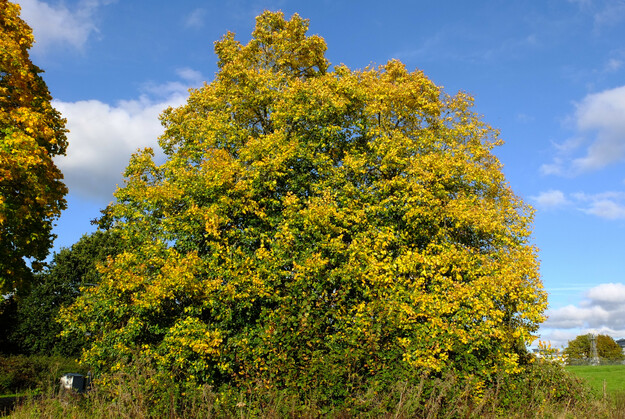
Hoskins WestSee all photos of this tree
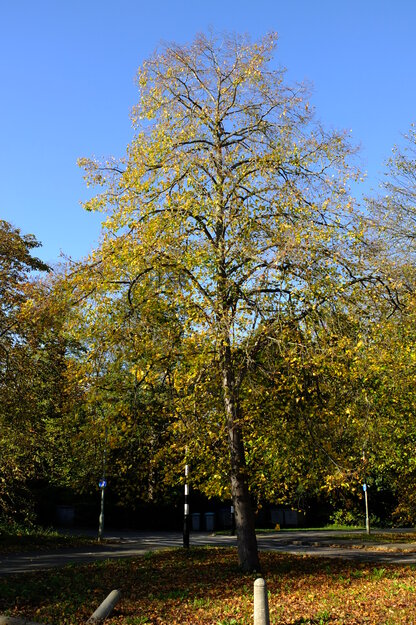
Henley HillSee all photos of this tree
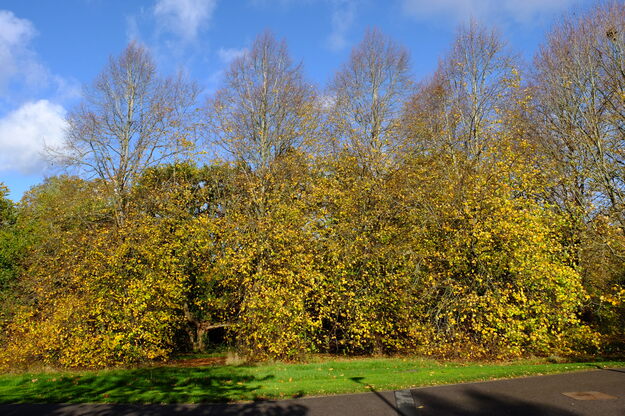
Henley HillSee all photos of this tree
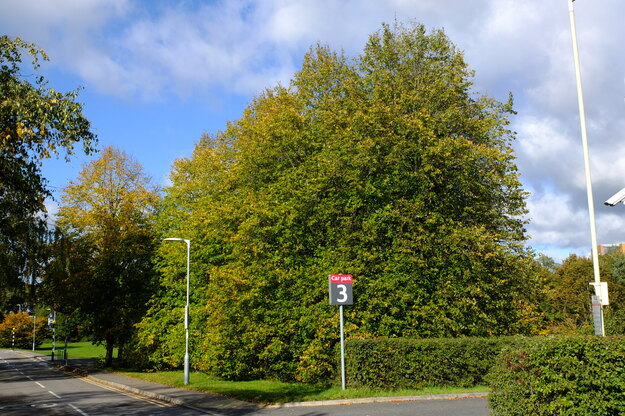
Knight NurserySee all photos of this tree
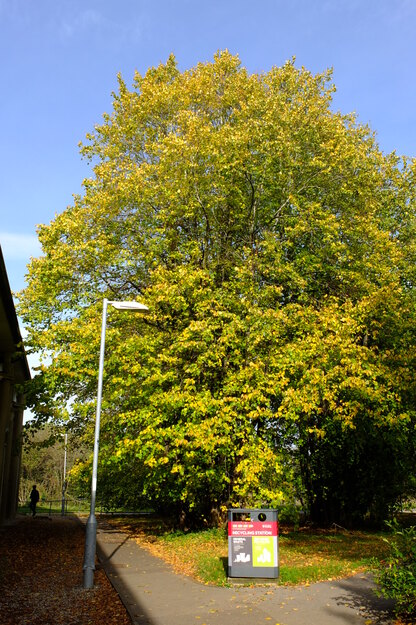
East lakesideSee all photos of this tree
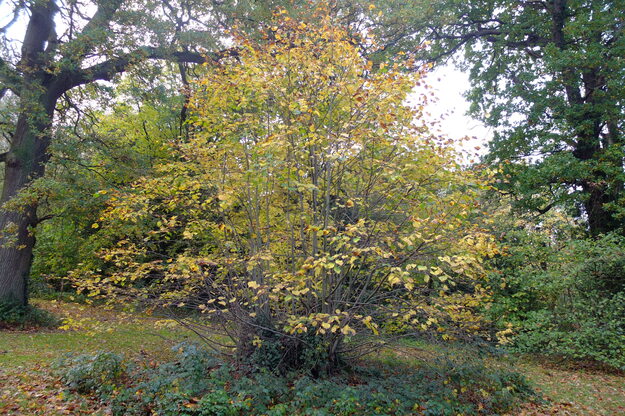
Dunsden CrescentSee all photos of this tree
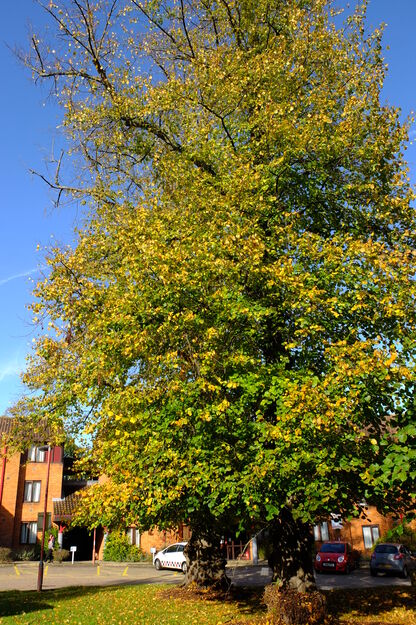
Polly Vacher WestSee all photos of this tree
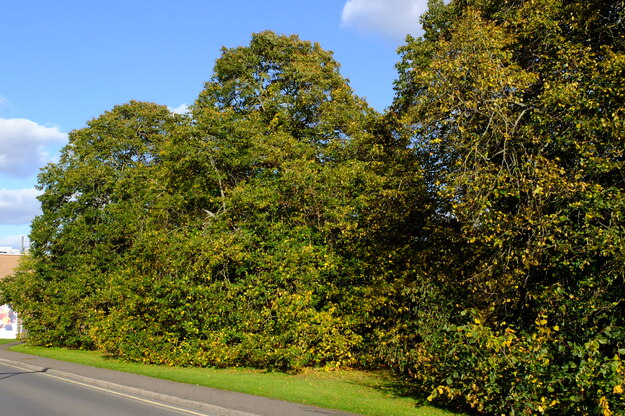
Miller Wager TriangleSee all photos of this tree
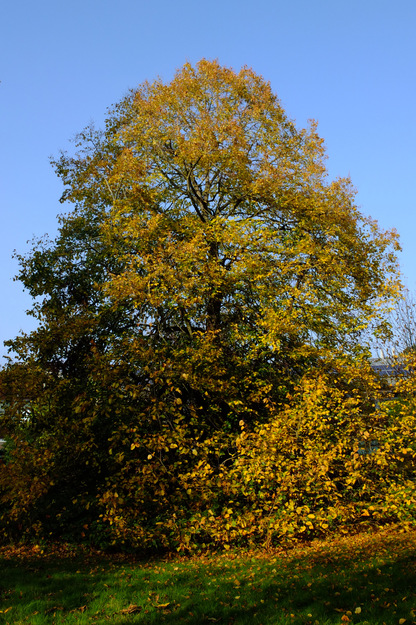
Miller Wager TriangleSee all photos of this tree
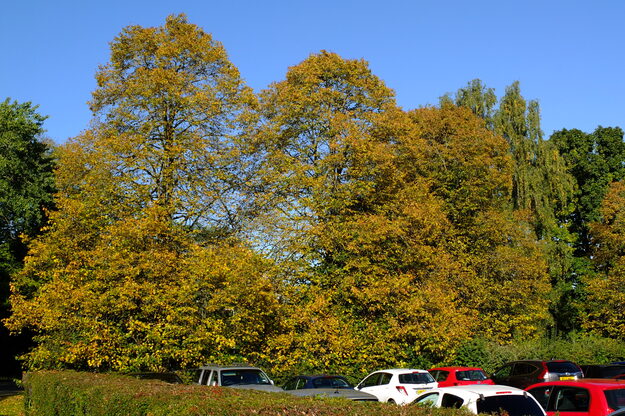
Miller Wager TriangleSee all photos of this tree
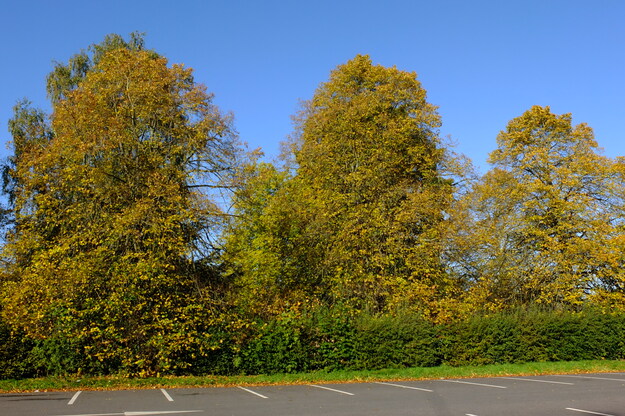
Shinfield RoadSee all photos of this tree
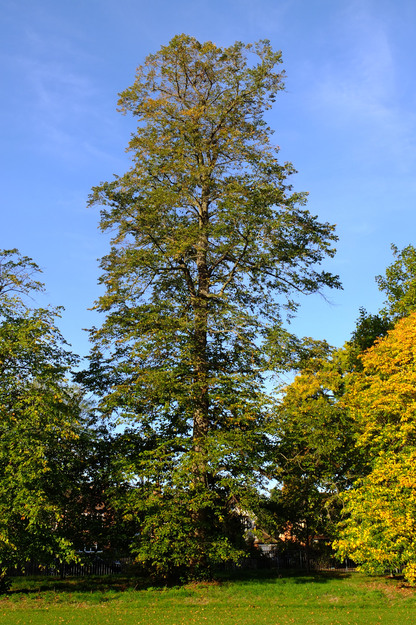
Shinfield RoadSee all photos of this tree