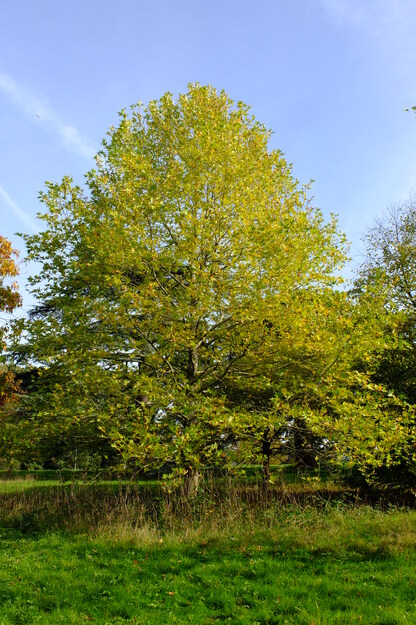
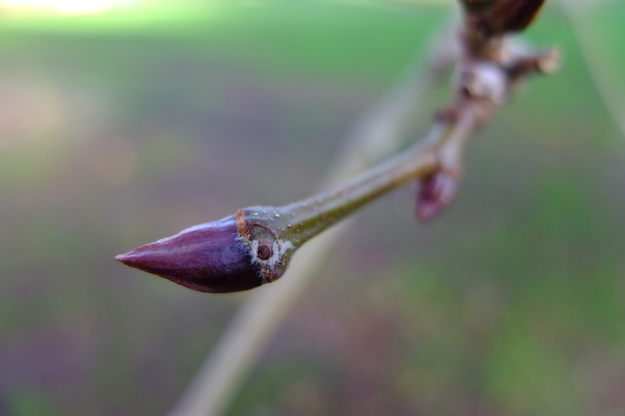
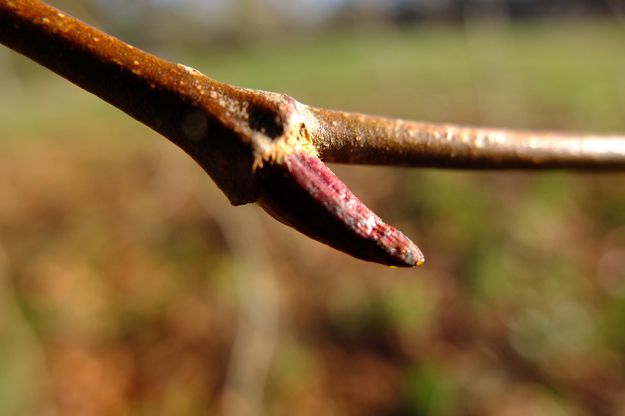
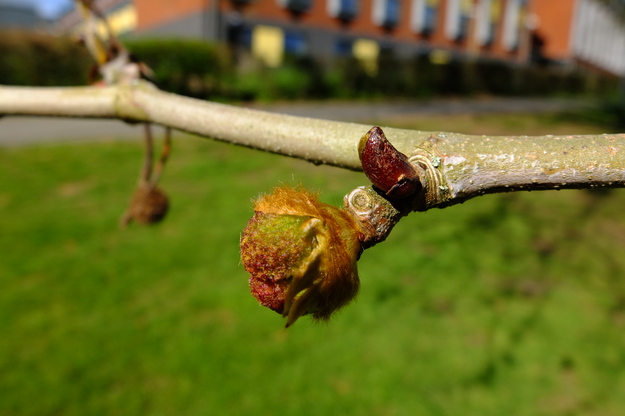
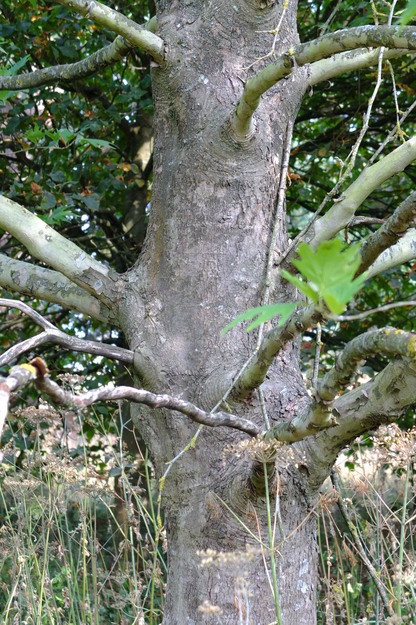
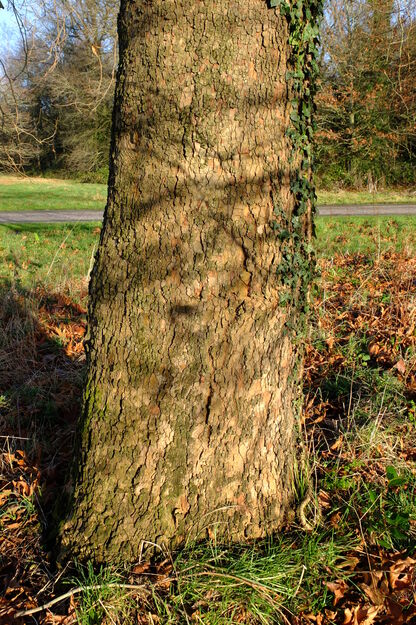
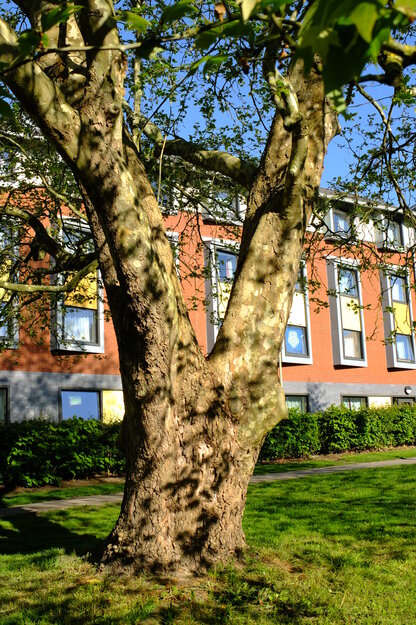
Platanus orientalis is a species of deciduous broadleaf flowering plants (in the Platanaceae family), native to south-eastern Europe, Turkey, the Caucasus and Iran. It can live for many centuries and grow into a huge tree, 40 metres in height, spreading very widely, with massive twisted branches and a thick trunk. Its bark is a distinctive patchwork that peels in irregular plates, revealing cream and grey-green colours underneath.
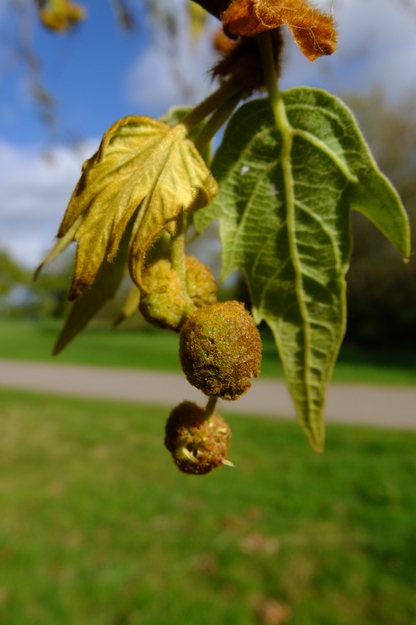
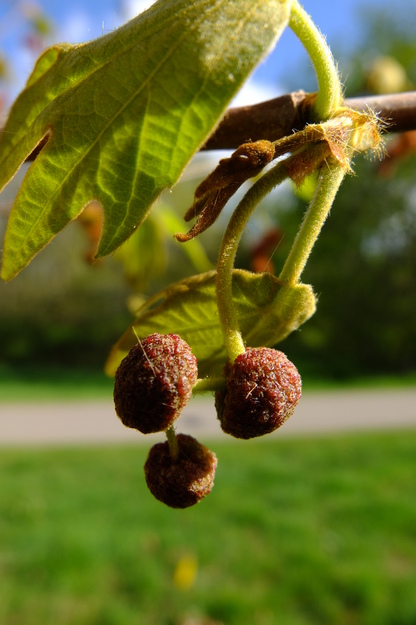
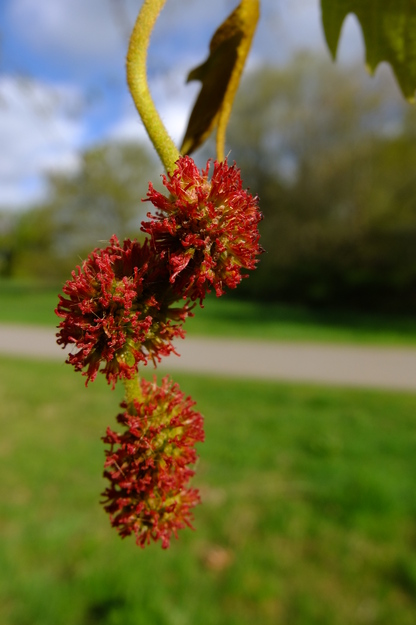
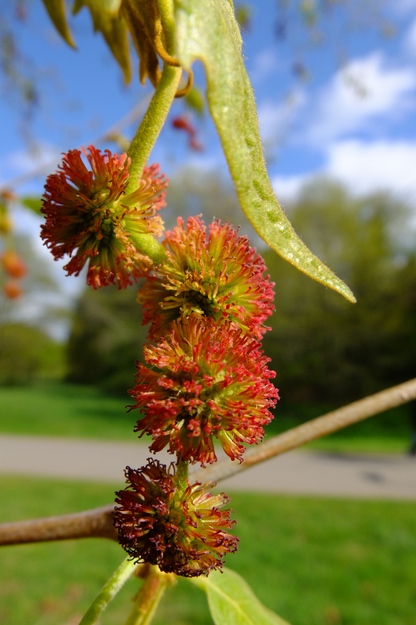
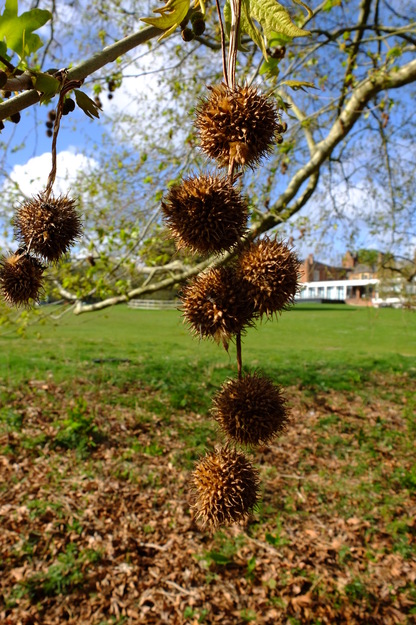
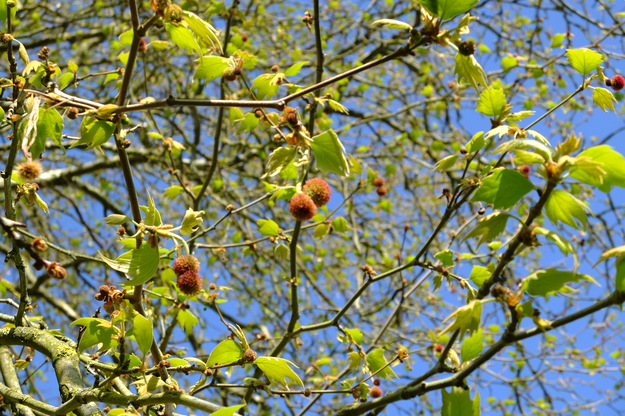
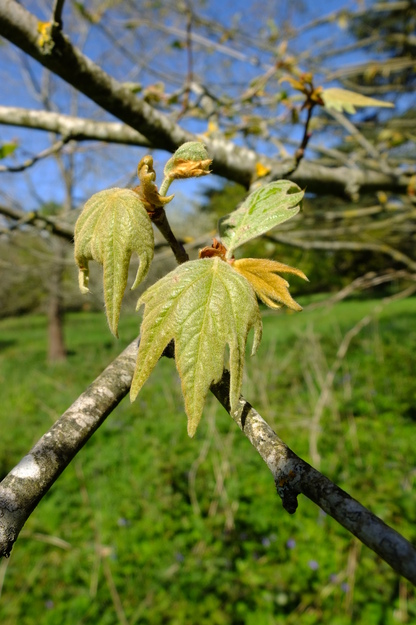
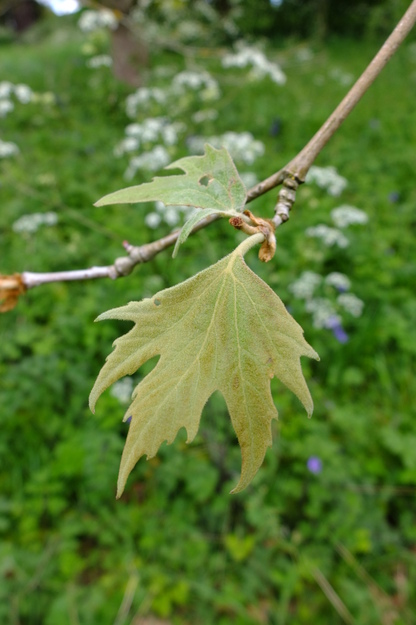
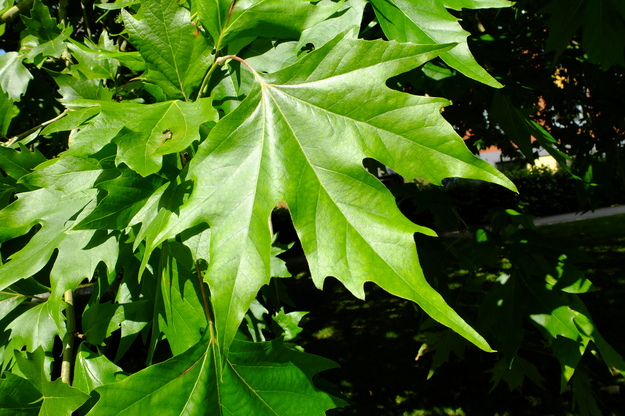
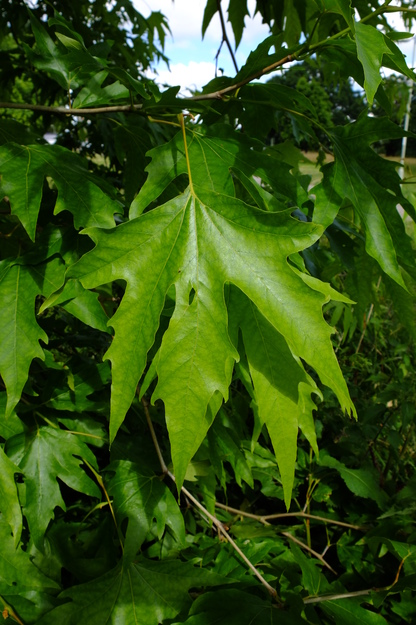
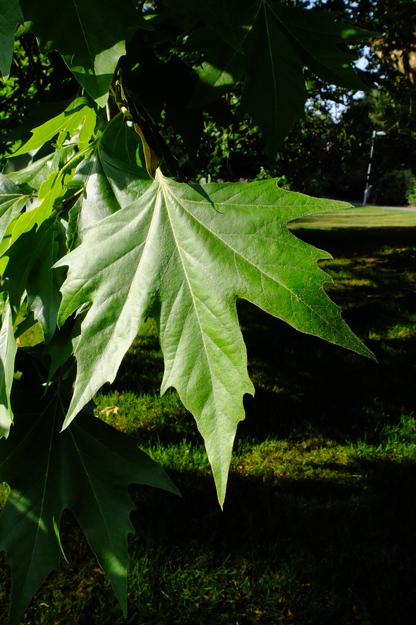
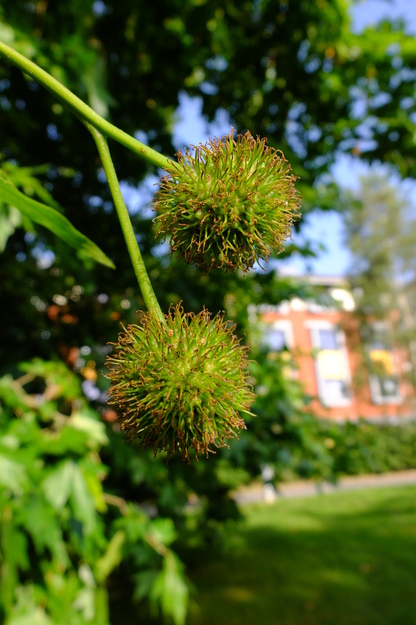
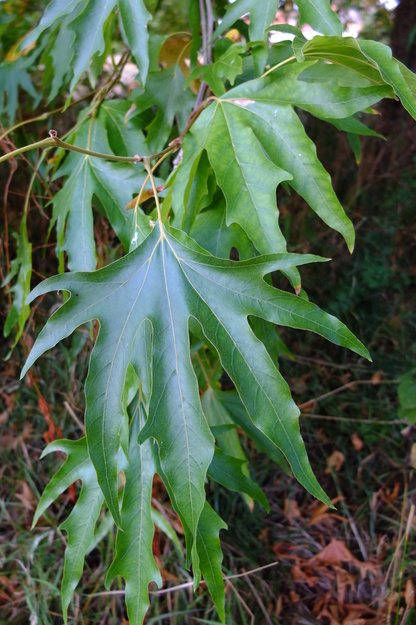
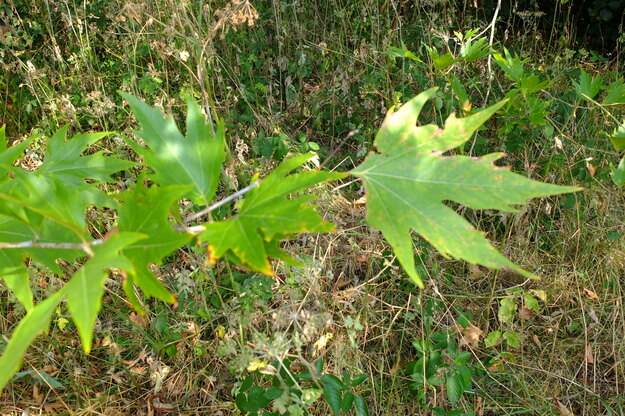
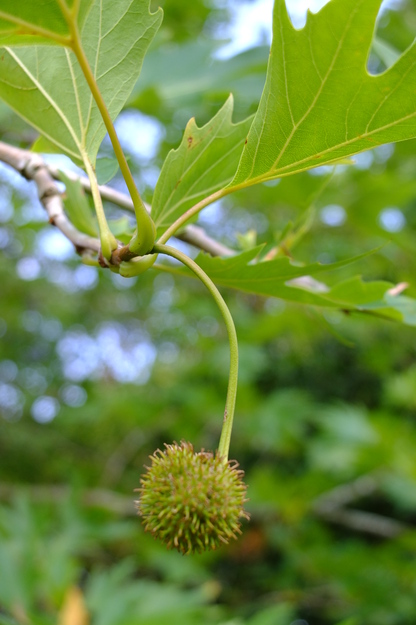
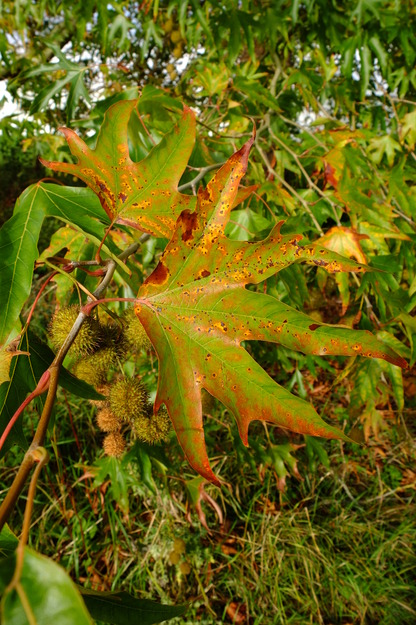
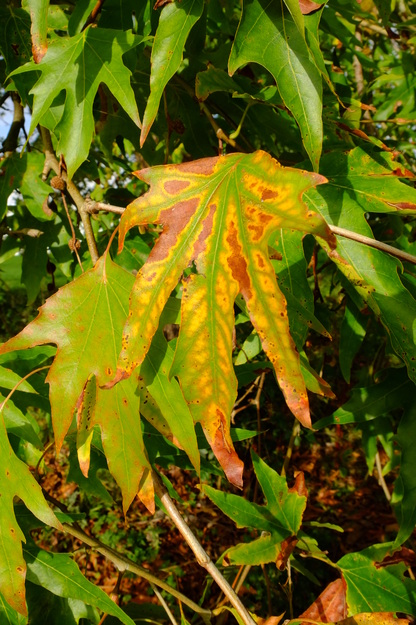
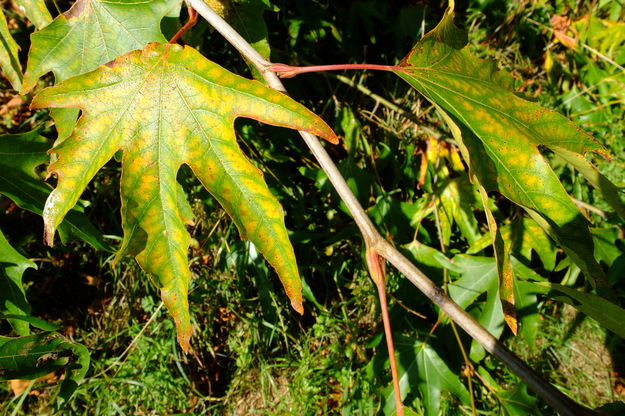
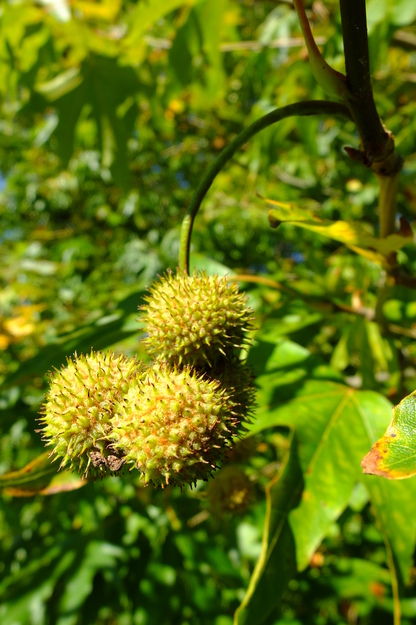
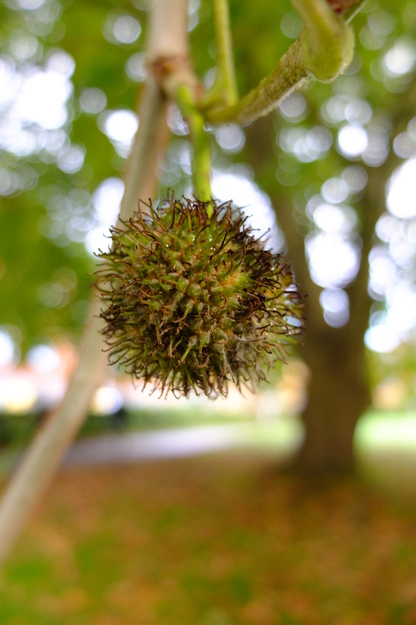
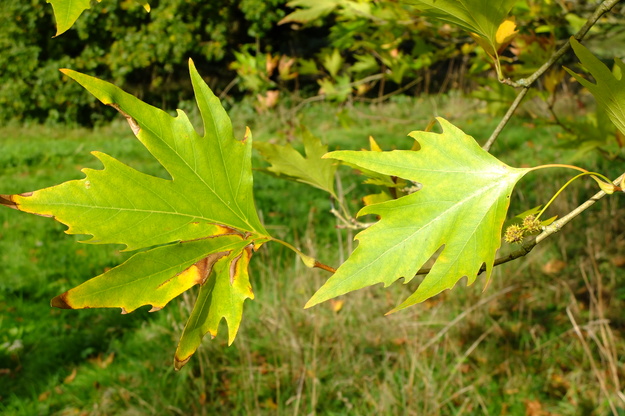
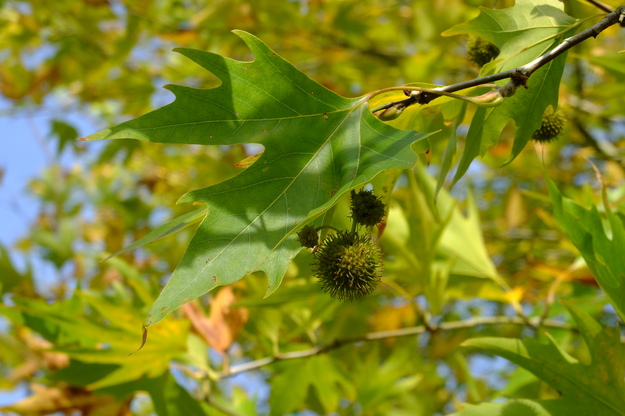
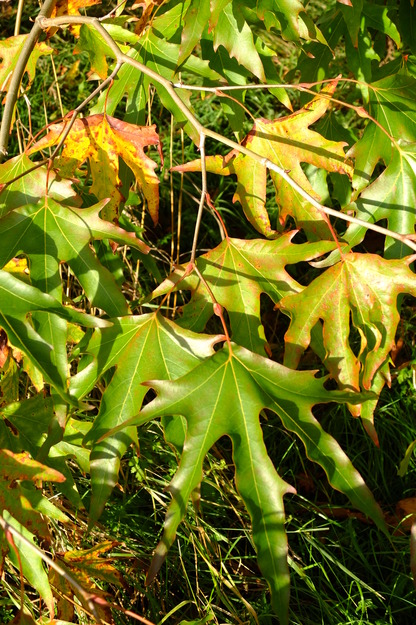
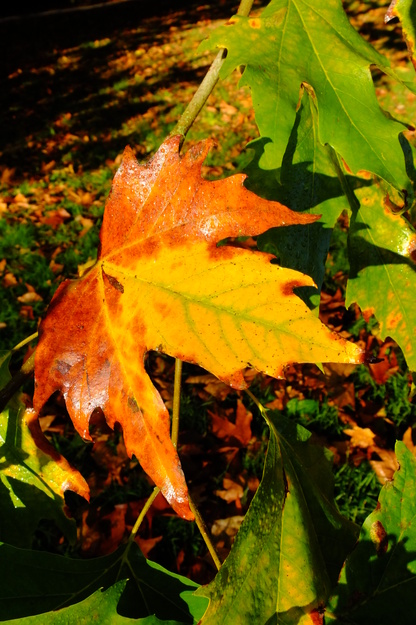
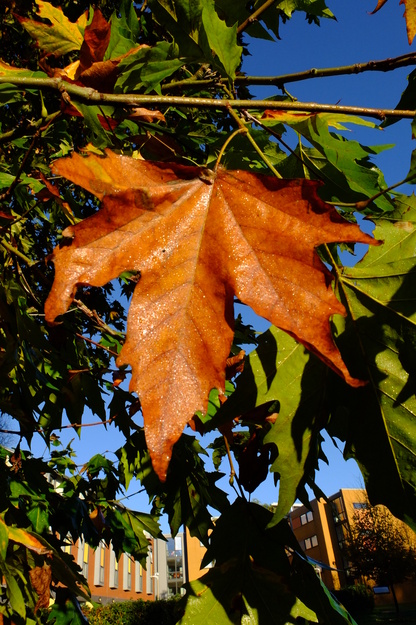
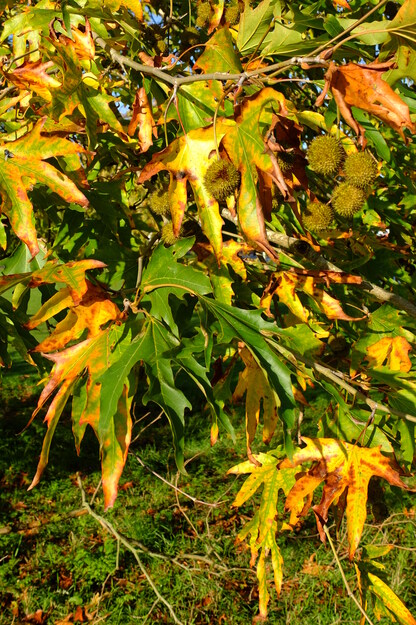
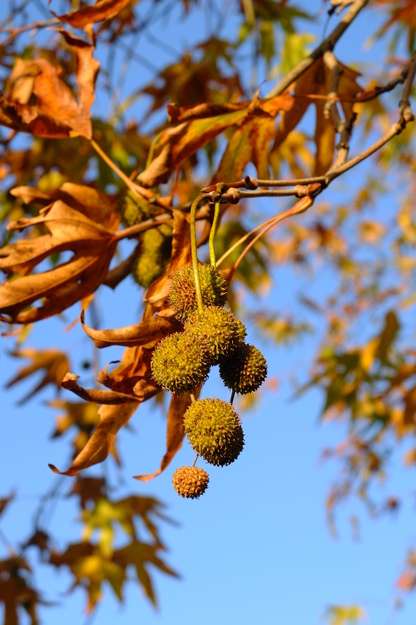
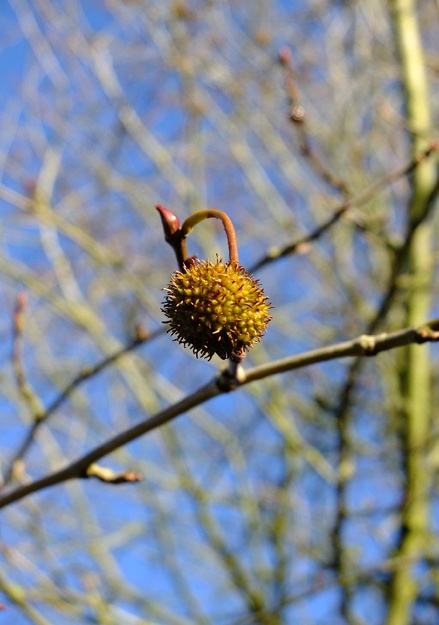
Platanus orientalis has large palm-shaped leaves with 5–7 lobes, similar to maple leaves; the lobes are more deeply divided than those of Platanus × hispanica (the London plane, also present in Whiteknights Park). Thanks to the size of both tree and leaves, plane trees cast a lot of shade, and are a feature of old towns and parks, although their natural habitat is riversides. The leaves of Platanus orientalis turn yellow and amber in autumn. Its fruit are spiky balls, borne in small groups.
The tree has a notable capability for sprouting anew and regenerating itself when damaged or coppiced. The species features in Greek and Roman history, being remarked upon by Pliny the Elder. According to legend, Hippocrates (considered the father of medicine) taught his pupils the art of medicine under a plane tree.
External webpages
about this species


about this species
How to use the map
Drag with your finger or mouse to move the map.
 Zoom in or out. You can also do this with the mousewheel or by pinching.
Marker of the position of an identified tree, while the map is zoomed out. For the details, zoom in until you see tree markers like the following …

 Clicking on a tree marker brings up a window (called a "popup")
identifying the species of the tree there, with a small photo of it and buttons
to display more photos and information. NB only a few hundred of the thousands
of trees are marked!
Clicking on a tree marker brings up a window (called a "popup")
identifying the species of the tree there, with a small photo of it and buttons
to display more photos and information. NB only a few hundred of the thousands
of trees are marked!
7Marker of a tree of the selected species; clicking it will zoom and centre the map on this tree, and bring up a photo of it in the frame.
 Marker of a British Isles champion tree in
The Tree Register.
Marker of a British Isles champion tree in
The Tree Register.
✕ Click the cross at the top right of any window, including this one, to get rid of it.
 ✕
Click to dismiss all the popups at once.
✕
Click to dismiss all the popups at once.
Choose alternative versions of the map. The tree markers, popups, map centre and zoom are all unaffected by switching.
 Turn on a flashing dot which tracks your live location on the map, surrounded
by a circle indicating the accuracy of the location. This will work
only if your device has a satellite navigation (GPS etc.) receiver which is
enabled and can acquire a signal. You will probably be asked to allow the
website to access "location services" the first time you press this button.
The button flashes orange while trying to locate you,
and green while your location is shown. Press it again to turn it off.
Turn on a flashing dot which tracks your live location on the map, surrounded
by a circle indicating the accuracy of the location. This will work
only if your device has a satellite navigation (GPS etc.) receiver which is
enabled and can acquire a signal. You will probably be asked to allow the
website to access "location services" the first time you press this button.
The button flashes orange while trying to locate you,
and green while your location is shown. Press it again to turn it off.
 Recentre the map on your present location, while live location is switched on.
 Reset the map to its original centre and zoom.
To click on a tree, zoom in until you see
tree markers
Childs lawnSee all photos of this tree
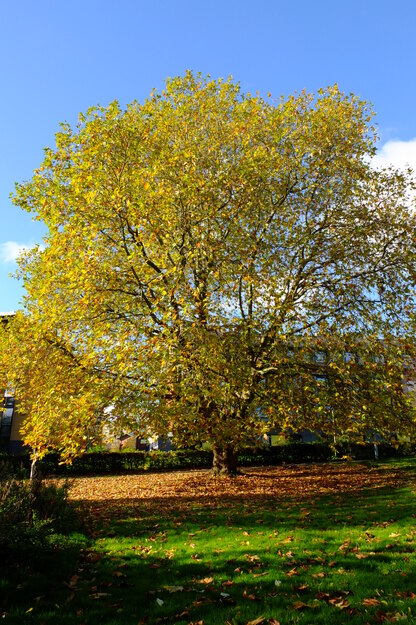
Park meadowSee all photos of this tree
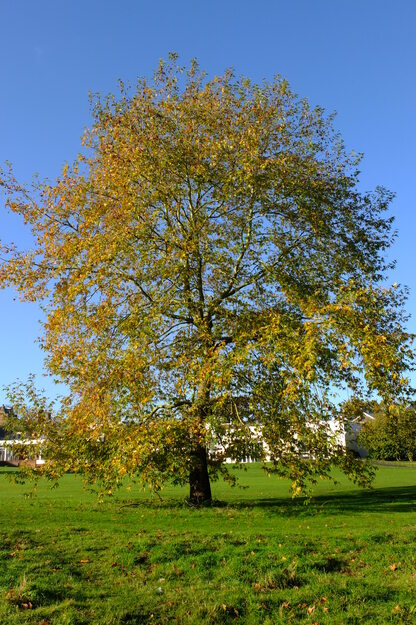
East lake parkSee all photos of this tree