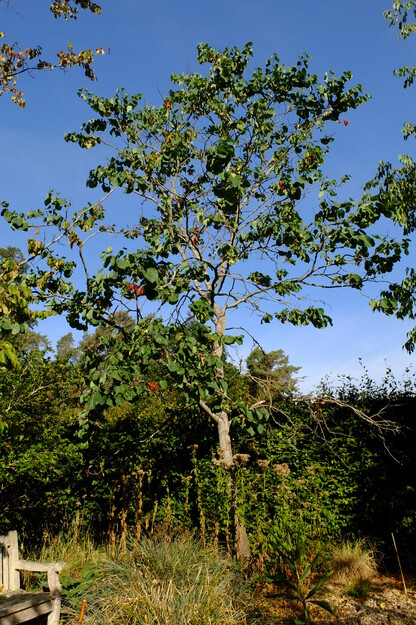
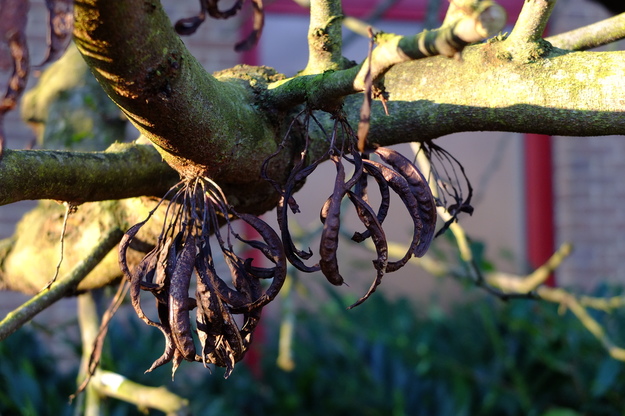
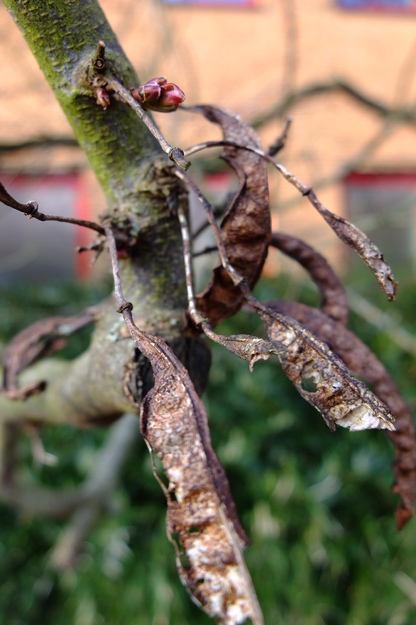
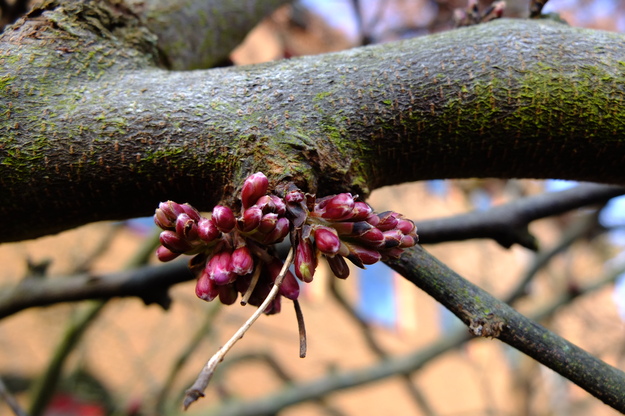
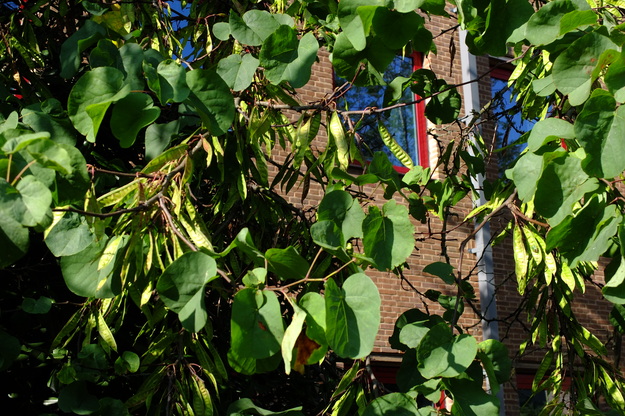
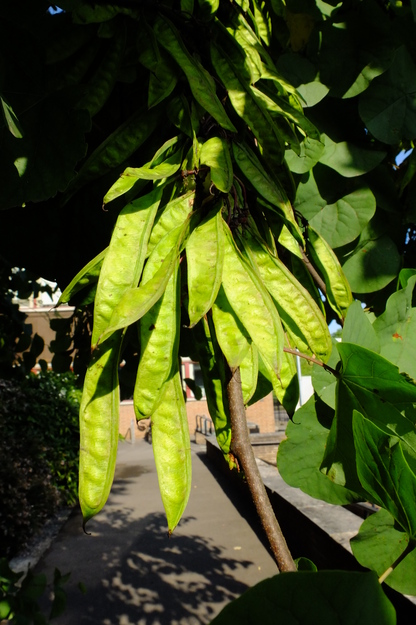
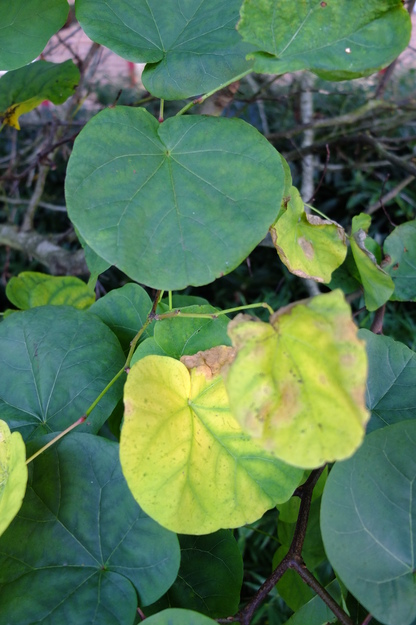
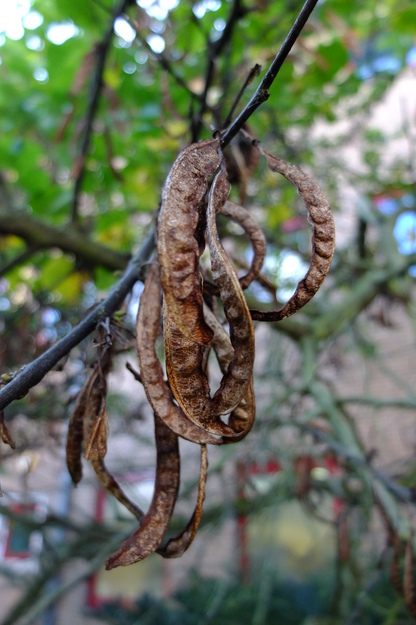
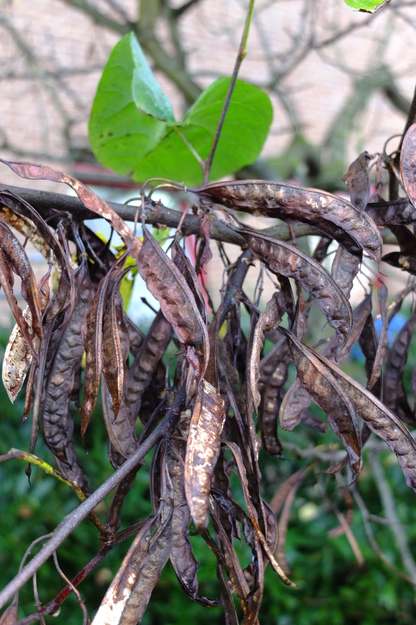
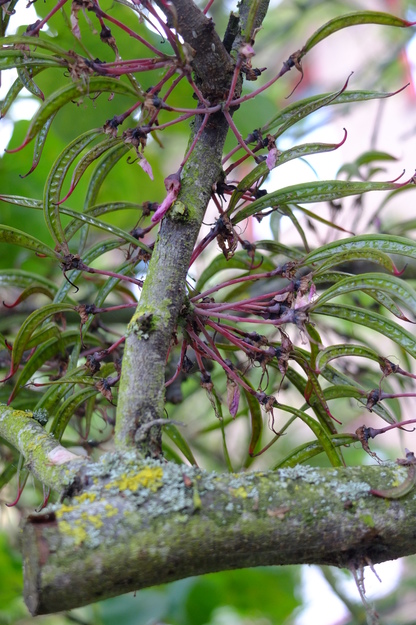
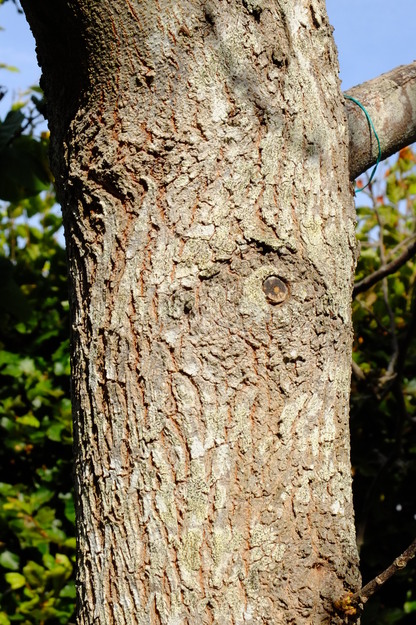
Cercis siliquastrum is a species of deciduous broadleaf flowering plants (in the Fabaceae or Legume, pea or bean family), native to southern Europe and western Asia. Cercis siliquastrum is celebrated for its striking abundant spring blossom. Before the leaves emerge, clusters of vivid pink to purple pea-like flowers appear directly on the branches and trunk (a behaviour called "cauliflory"). The tree later develops rounded, heart-shaped leaves that provide light shade and turn yellow in autumn.
Cercis siliquastrum thrives in warm climates and well-drained soils, making it a popular ornamental species in gardens, streets, and Mediterranean landscapes. Its unusual flowering habit, graceful form, and seasonal colour have made it a valued decorative tree for centuries, while its nectar-rich blooms also attract bees and other pollinators.
External webpages
about this species


about this species
How to use the map
Drag with your finger or mouse to move the map.
 Zoom in or out. You can also do this with the mousewheel or by pinching.
Marker of the position of an identified tree, while the map is zoomed out. For the details, zoom in until you see tree markers like the following …

 Clicking on a tree marker brings up a window (called a "popup")
identifying the species of the tree there, with a small photo of it and buttons
to display more photos and information. NB only a few hundred of the thousands
of trees are marked!
Clicking on a tree marker brings up a window (called a "popup")
identifying the species of the tree there, with a small photo of it and buttons
to display more photos and information. NB only a few hundred of the thousands
of trees are marked!
7Marker of a tree of the selected species; clicking it will zoom and centre the map on this tree, and bring up a photo of it in the frame.
✕ Click the cross at the top right of any window, including this one, to get rid of it.
 ✕
Click to dismiss all the popups at once.
✕
Click to dismiss all the popups at once.
Choose alternative versions of the map. The tree markers, popups, map centre and zoom are all unaffected by switching.
 Turn on a flashing dot which tracks your live location on the map, surrounded
by a circle indicating the accuracy of the location. This will work
only if your device has a satellite navigation (GPS etc.) receiver which is
enabled and can acquire a signal. You will probably be asked to allow the
website to access "location services" the first time you press this button.
The button flashes orange while trying to locate you,
and green while your location is shown. Press it again to turn it off.
Turn on a flashing dot which tracks your live location on the map, surrounded
by a circle indicating the accuracy of the location. This will work
only if your device has a satellite navigation (GPS etc.) receiver which is
enabled and can acquire a signal. You will probably be asked to allow the
website to access "location services" the first time you press this button.
The button flashes orange while trying to locate you,
and green while your location is shown. Press it again to turn it off.
 Recentre the map on your present location, while live location is switched on.
 Reset the map to its original centre and zoom.
Thomson entranceSee all photos of this tree

Harris GardenSee all photos of this tree

Harris Garden